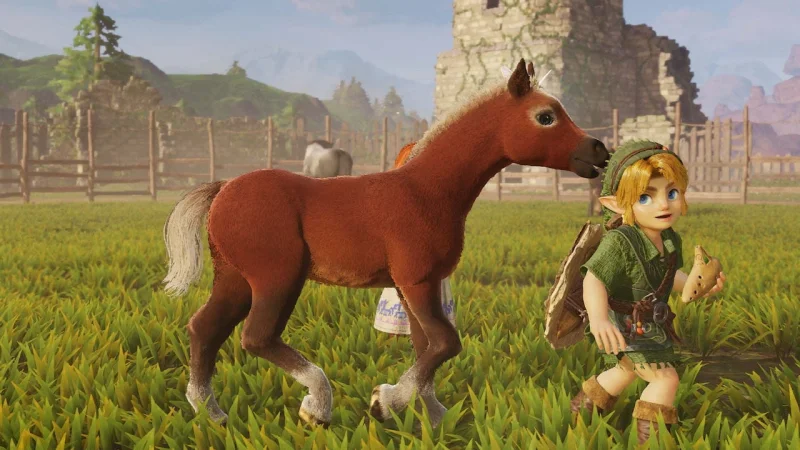
Players found ways to run The Legend of Zelda: Ocarina of Time remake on PC shortly after release, and some were already using emulators or recompilation tools to do it. That fast jump from launch to PC has turned the game into a fresh test of how far Nintendo can go when fans move a release outside the hardware it was meant for.
The appeal for players is obvious: the tools let them play on PC, and the creators of those tools say users must supply their own game files. Some of the methods were AI-assisted, which is part of why the legal picture is drawing so much attention now. In one sign of how quickly the unofficial scene moved, some players had an unofficial multiplayer release going mere days after the game launched on PC.
Kirk Sigmon, a legal expert, said the foundation of the emulator model matters because it is “just being a piece of software capable of running games that you have to provide separately.” He added that, “At least in theory, the law is very favorable towards emulators.” Sigmon pointed to a 2000 case in which Sony failed to stop the creator of an original PlayStation emulator, saying that case showed emulators can be legal on their own and that reverse engineering game consoles can also be legal.
Zohaib Hashim made a similar point, saying he does not believe emulator or decompilation creators can be said to be breaching copyright or infringing Nintendo’s IP simply by developing and supplying emulator software. He said emulators are generally legal and that the legal backdrop has been established for many years. That matters because Nintendo has successfully sued emulators before and started taking down Nintendo Switch 2 emulators earlier this month, yet the software itself is still treated by experts as a lawful category when it is built and distributed in the right way.
The friction is in the details Nintendo would have to prove. Sigmon said Lichii would be hard to stop if it was developed using AI, did not steal trade secrets and carefully avoided Nintendo’s other IP. But he also predicted Nintendo is absolutely going to try to shut Lichii and the decompilation teams down, and said the company is likely looking for any possible justification, from an accidental art or music asset to a logo or evidence of trade-secret theft. That leaves Nintendo with a fight that is not just about whether the tools exist, but whether it can tie them to something more than the act of letting users run games they already own.
What happens next is less clear than what has already happened. The PC version is out in the wild, the tools are already circulating, and the legal question now is whether Nintendo can find a specific basis to target Lichii or the decompilation teams before the unofficial ports spread further.