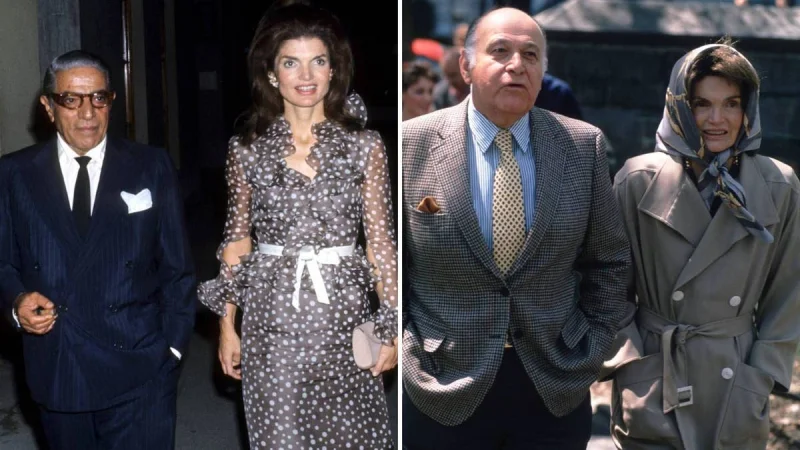
Jacqueline Kennedy Onassis’s later years were shaped by the long shadow of John F. Kennedy’s death, but one of the most revealing chapters came when she brought John Carl "Jack" Warnecke into that history. He was the architect she later hired to design John F. Kennedy’s grave and memorial at Arlington National Cemetery, and the relationship that followed moved from memorial work into romance before ending over money.
That story draws attention now because it puts a private break-up inside one of the most public memorials in the Kennedy family record. Jacqueline Kennedy had already lived 30 years as a widow, and the details of her life after 1963 still pull readers back to the question of how she handled grief, work and companionship after Dallas. She had been briefly engaged to John Husted Jr. before marrying John F. Kennedy on September 12, 1953, at St. Mary's Church in Newport, Rhode Island, and after Kennedy was shot to death on November 22, 1963, while cruising with his motorcade in Dallas, her life changed in public view overnight.

Warnecke first met her while she was still first lady, after he was commissioned to save a series of historic buildings in Washington, D.C. He later said the bond grew into something serious, with long conversations and even marriage talk. He remembered her as someone who would come by his apartment after work and speak with him for hours, with a kind of easy intimacy that made the relationship feel, at least to him, like more than a passing attachment.
But the relationship also carried an imbalance that never disappeared. Warnecke said it mattered more to him than to her, and the break came after a discussion about finances. He confessed to being $650,000 in debt, and that disclosure became the point where the romance stopped. In his telling, what had moved toward marriage in Hawai'i in the summer of 1966 could not survive the realities that followed the confession.
That leaves the clearest answer to the question surrounding Jackie Kennedy and Warnecke: the connection was real, but it was not equal. She had written that if she was ever going to find healing and comfort, it had to be with someone outside the world of past and pain, and Warnecke briefly seemed to fit that need. Instead, the memorial commission, the romance and the debt all ended up in the same story, and the unresolved part is not whether the relationship happened. It is how quickly a relationship that reached marriage talk could collapse once money entered the conversation.