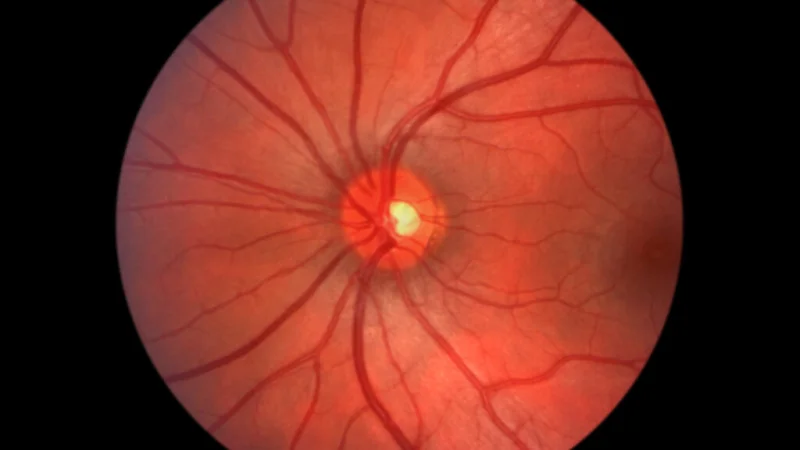
The Food and Drug Administration on Monday warned that GLP-1 drugs carry a potential risk for a rare but serious eye condition and ordered pharma companies to tell patients and doctors about it. The condition, called non-arteritic anterior ischemic optic neuropathy, or NAION, can cause sudden vision loss and, in severe cases, blindness.
The warning lands at a moment when Ozempic, Wegovy, Mounjaro and Zepbound have exploded in popularity for their weight loss effects. For many patients, that makes the safety note hard to ignore: drugs taken for diabetes or obesity now come with a risk that can affect eyesight, even if the problem is rare.

NAION is sometimes called an eye stroke because it happens when too little blood reaches the optic nerve. There are currently no proven treatments for it, which is why the warning carries more weight than a routine label update. A condition that can steal vision quickly leaves little room for delay if symptoms appear.
The friction is clear. These drugs have been used widely enough that side effects can emerge in real-world use even when they were not seen in clinical trials. That does not mean every GLP-1 drug will cause NAION in every patient, but it does mean the warning is not limited to one product and is aimed at the class as a whole, including Ozempic and Wegovy from Novo Nordisk and Mounjaro and Zepbound from Eli Lilly.
What happens next is straightforward: companies must inform patients and doctors of the risk, and anyone taking these medicines now has a new warning to weigh against the benefits. The unanswered question is how often NAION appears in people using GLP-1 drugs, but Monday's move makes clear the FDA sees enough concern to put the risk in front of prescribers and patients now.