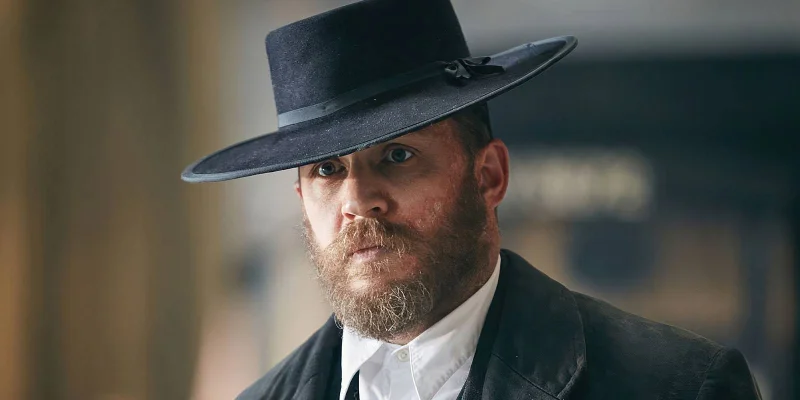
Peaky Blinders is a six-season Netflix crime series built around Cillian Murphy as Thomas “Tommy” Shelby, the man trying to turn the Shelby family’s small operation into something legitimate. Set in Small Heath, Birmingham, in 1919, it begins with Tommy back home after serving in World War I and ends up tracking how far he can push Shelby Company Limited before the world pushes back.
That is why viewers keep searching for Peaky Blinders Netflix six seasons now: it is a finished run, not an open-ended promise. The series gives you a full arc in one place, with each season showing Tommy taking another step toward legitimacy while the family’s business grows out of horse betting and into something bigger, darker, and harder to control.

Murphy’s Tommy is the center of it, but he is not written like a man living for the family alone. He is a businessman first, a family man second, and that order matters because the show keeps asking how far loyalty can stretch when profit, power, and survival are all pulling in different directions. Paul Anderson’s Arthur Shelby and Helen McCrory’s Aunt Polly Gray help fill out that pressure, but the story never drifts far from Tommy’s calculations.
The setup also carries a simple complication that gives the series its bite. Peaky Blinders is inspired by a real-life street gang, yet it plays more like a family drama wrapped inside a crime epic than a history lesson. That leaves the show in a useful middle ground: recognizably rooted in Birmingham’s past, but shaped for character and momentum rather than strict realism.
For anyone deciding whether to start, the answer is straightforward. The six-season run is complete, the story has a clear beginning and end point, and Tommy Shelby’s climb toward legitimacy is the thread holding it together. What the series leaves hanging is not whether the family matters, but how much of Tommy’s life he can still claim as his own once the business becomes the only thing that seems to survive.