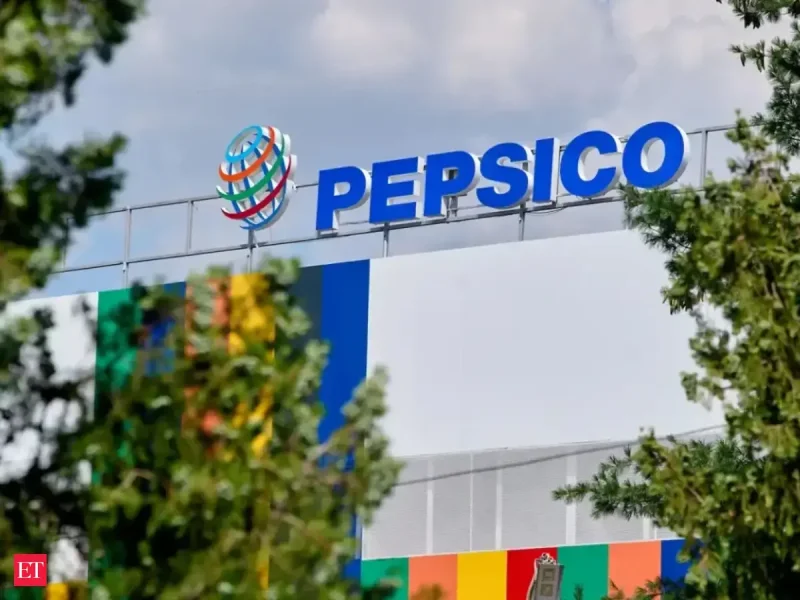
India's food regulator has accused PepsiCo and Monster Beverage of marketing high-caffeine beverages as Energy Drinks to dupe consumers, sharpening a court battle over who can use the label in India. The dispute now sits with the Delhi High Court after a June decision barred the term on new stock but left existing packages on shelves.
The filing matters because the label is not a minor branding choice. The Food Safety and Standards Authority of India said India had never established standards for an energy drink category, even as the market is expanding fast and could be worth $1.6 billion by 2028. Energy drink sales are growing 12.6% annually, and the regulator is trying to define the line between a beverage description and a claim that can shape how consumers understand what they are buying.
PepsiCo helped normalize the category in India with the 2017 launch of Sting, sold at 21-cent, and the dispute has since widened beyond one brand. Red Bull, Hell Energy and India's Reliance Consumer have also filed lawsuits, a sign that the outcome could affect how a whole segment of the market is labeled and sold, not just one company's packaging.

The regulator's court papers go further than a technical objection. On October 28, it said, in substance, that a product was being marketed as a Energy Drink purposely in order to dupe consumers, and tied that concern to public health risks and consumer deception. It also said energy drinks contain high levels of caffeine and sugar, as well as taurine, language that turns the case from a packaging fight into a question about how the category itself is understood.
PepsiCo and Monster have argued that the regulator moved without prior warning or giving them a chance to be heard. The FSSAI's response is that the label itself can mislead buyers, and the Delhi High Court has already taken a middle position by allowing sale of old stock while blocking the same label on new stock. That leaves the real question for the next hearing later this week: whether the phrase Energy Drinks can remain on fresh labels at all, or whether India will force the market to describe these products another way.
The case is being watched as part of an unprecedented food safety crackdown in India, and as a test of how far the regulator can go in policing product labels. That makes it more than a branding dispute. It is a live decision about what consumers are told, what companies can print, and how quickly a fast-growing market can be forced to change course.