Julia Chung was already grieving when she was asked to settle the estates of two uncles who died earlier this year. By October, the CEO of Spring Planning was still working through the job of an executor, a role that can stretch for at least a year and sometimes much longer.
For many families, that duty falls to someone they love and trust. It sounds simple on paper, but the work starts immediately and keeps going: arranging the body and any funeral or celebration of life, getting copies of the death certificate, finding the original will, securing property, changing locks and making sure insurance does not lapse. Later comes the less visible grind of speaking with beneficiaries, contacting banks and service providers, and filing final tax returns.
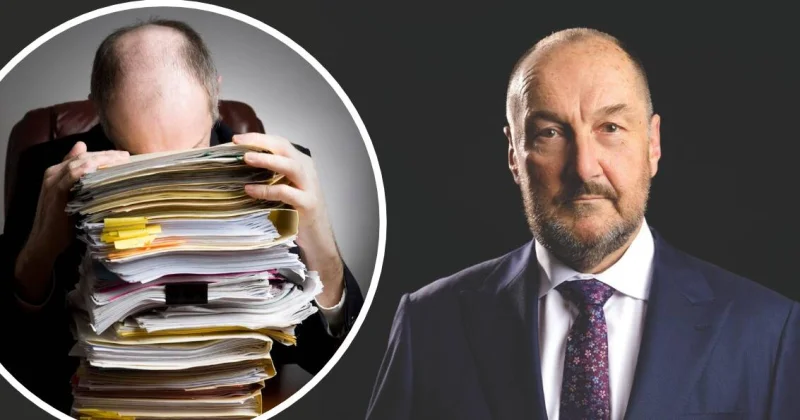
Chung said there were moments during her grief when she could not think. “When you’re experiencing grief at the same time, which I definitely have been, there were moments where I was like, ‘I literally can’t think,’” she said. That is the part of executor work that gets missed when families see the title and not the burden. Erin Bury called it “hundreds of hours of work” and said it requires coordination and expertise that the person named may not have.

The legal machinery can slow everything down. Executors are expected to go through probate, the court process that confirms the will is valid and gives them authority to carry it out. Until that happens, estate money may be locked, which means an executor may have to front the cost of the funeral, lawyers, accountants and unpaid bills. Executors are entitled to compensation for their time, but if the will does not set the amount, provincial legislation sets limits instead.
That mix of legal duty and practical strain is why the job can become heavier than the family member who accepts it expects. Mark Biderman said an executor has a legal obligation to manage assets and pay liabilities without wasting the estate, and that a long administration requires careful investment management and reasonable steps to protect every asset. If the estate is insolvent, the pressure rises further. As he put it, if creditors need to be paid, executors are often the ones “holding the bag at the end of the day.”
There are also complications when the executor lives outside the place where the person died, or when assets are outside Canada. In those cases, more rules have to be navigated, and the settlement can drag on even longer. For Chung, the experience is a reminder that an executor is not just a name on a will; it is a job that can consume time, money and attention long after the funeral is over.