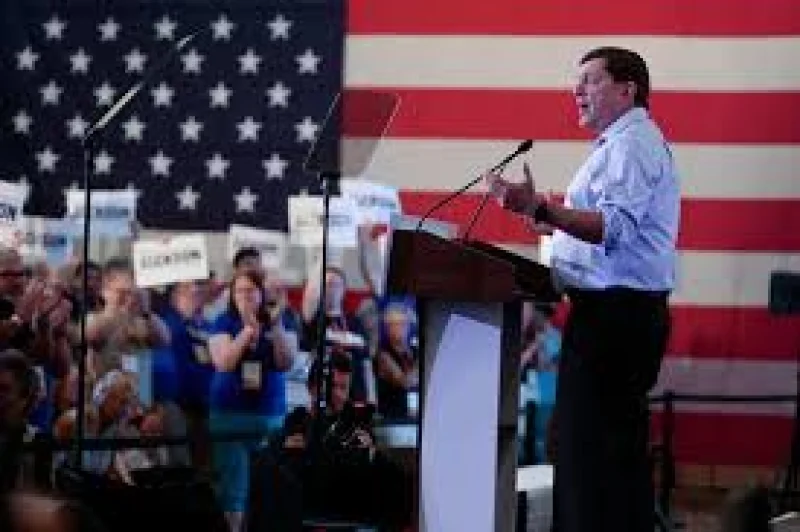
Susan Collins and Troy Jackson turned a Tuesday night Maine Senate debate into a sharp back-and-forth over Donald Trump, abortion, Medicaid and Iran, with Collins trying to blunt attacks on her record as she seeks a sixth term.
The race is being watched closely because Maine is one of November's most closely watched contests, and the result could help decide which party controls the upper chamber next year. Collins said she is “not exactly” Trump's “favorite senator,” while telling voters she has brought federal dollars home to ease the burden on taxpayers.
Jackson went after Collins on the issues that have defined her long Senate career, pressing her over Brett Kavanaugh and asking, “Would you trust her to pick the next Supreme Court justice?” Collins answered that she always looks at nominees’ qualifications and said she disagreed with the decision to overturn Roe v. Wade. She also told the audience that “there's only one of us on this stage who has always been pro-choice.”

The most pointed exchange centered on the One Big Beautiful Bill Act. Jackson attacked Collins for voting yes on an earlier procedural step that let the bill advance, while Collins said she opposed the measure because of its Medicaid cuts. She argued that allowing the bill to move forward helped her secure a $50 billion fund for rural hospitals, and Jackson fired back with a line that captured the room: “Senator Collins is like an arsonist who helped set the fire, and then she wants credit for bringing a cup of water to put it out.”
That clash matters because Collins has built much of her reputation on saying no to Donald Trump when she thinks it is necessary, but Jackson argued that she has not pushed back hard enough. Collins also said she voted to restrict Trump's power to wage war against Iran and called the war in Iran “not well-thought out,” a reminder that the debate was as much about judgment as party.
There is a political edge to that argument in Maine, where the state has not backed a Republican presidential candidate statewide since the 1980s and Collins has survived difficult reelection fights for more than a decade. Jackson, a former state Senate president from the same largely rural northern Maine county as Collins, tried to present himself as the candidate more willing to confront Trump directly, while Collins leaned on seniority and the federal money she says it has delivered, from taxpayer relief to rural hospitals.
What remains unresolved is whether Trump himself shows up to shape the race before Election Day. Collins said she had heard nothing from his office, and the debate left her facing the same test she has faced for years: persuading voters that she can stay in step with Maine even when she is not in step with Trump.