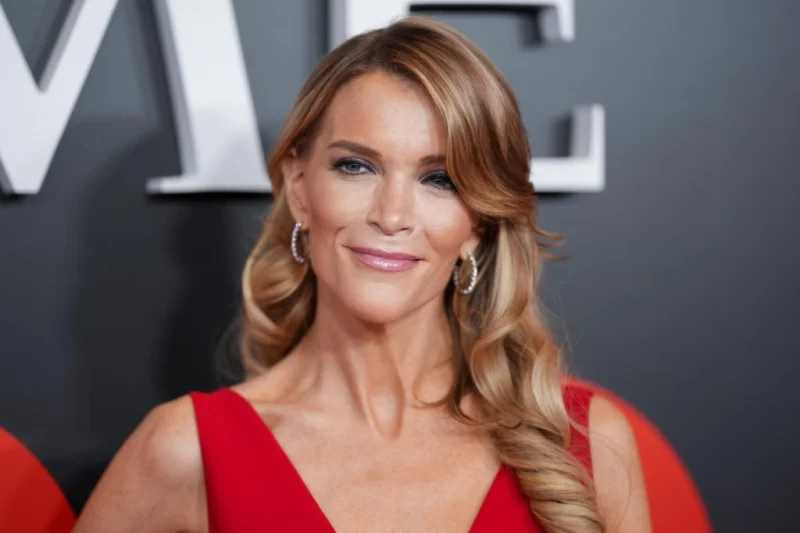
Megyn Kelly went after Olivia Rodrigo on Monday, Oct. 5, after the singer posted a statement backing Jane Doe in the Cornell gang rape lawsuit. Kelly used her YouTube show to tell Rodrigo to “shut up and stick to singing,” turning a campus sexual assault case into a very public fight over who gets to speak.
Rodrigo had posted her support the same day, writing, “I stand with Jane Doe,” and calling out Cornell and institutions that protect “rapists and abusers over women.” She said Jane Doe’s “bravery reverberates across the country” and that the “crimes against her will not go unpunished,” framing the post as a demand for answers, consequences and lasting change. That made Rodrigo the latest high-profile figure to enter a case that has already drawn outrage from other celebrities and fierce pushback from Kelly and others who have sided with the defendants.
The lawsuit itself accuses Cornell and seven then-members of Chi Phi fraternity of gang raping Jane Doe in October 2024 after giving her alcohol and drugs such as ketamine. She says she was in no condition to consent and that Cornell failed to protect her or deliver justice after she first brought the allegations to school officials two years ago. Messages from a Snapchat group thread submitted as evidence showed the defendants encouraging other frat brothers to join them at the time and place of the alleged assault, while the accused alumni denied wrongdoing and some said the encounter was consensual or misrepresented.
Kelly’s criticism was not restrained. She told Rodrigo, “You don’t know what you’re talking about,” called her a “know-nothing” who had been “auto-tuned into fame,” and warned that she might “start pulling your music and your lyrics” to examine the messaging she is pushing on young women. She ended with a blunt line aimed at anyone watching: “Be quiet. The adults are talking.”
The split around the lawsuit is now impossible to miss. Rodrigo, Florence Pugh and Lzzy Hale have voiced support for Jane Doe, while Kelly and others have publicly backed the defendants. Cornell has stood by its initial investigation of the 2024 allegation and has also welcomed a re-examination through Jane Doe’s new criminal lawsuit, but the university has not escaped the broader fight over what happened and who gets believed. The next development that matters is whether that re-examination produces anything more concrete than statements, because right now the case is being argued in public almost as loudly as it is in court.