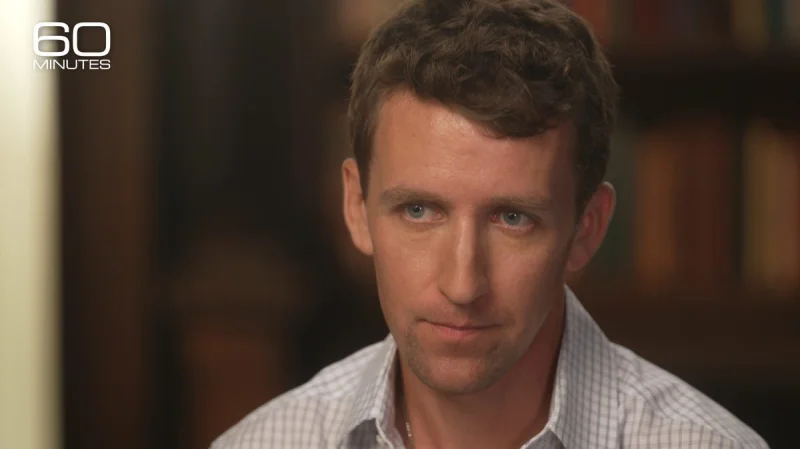
Amanda Knox has compared the scrutiny around Patrick Clancy to the way she was treated during her own highly publicized criminal case, arguing that public suspicion can keep a person on trial long after investigators have cleared them. In an essay for The Free Press titled "Patrick Clancy Can't Win," she said there is no single right way to react to trauma, but once suspicion takes hold, everything a person does is judged as wrong.
That comparison is drawing attention now because Clancy has become a familiar name in the public retelling of the case involving Lindsay Clancy, and Knox is using her own history to explain why the pressure does not lift when the legal inquiry ends. She said that while the court of law tried Lindsay, the court of public opinion tried Patrick, even though investigators cleared him early in the Clancy case.
Knox knows the machinery she is describing. She and Raffaele Sollecito were found guilty in 2009 of Meredith Kercher's 2007 murder in Italy, and Knox spent almost four years in prison before an appeals court overturned her conviction in 2011. Italy's Supreme Court completely exonerated her in 2015, while Rudy Guede was convicted in the case and later served 13 years of his 16-year reduced sentence before his release in 2021.

In the essay, Knox said the online attention around Clancy has not faded with the investigators' clearance. She said online sleuths still vilified him and argued that the conspiracy theories around him threaten his safety. Her point was not that the two cases are identical, but that public suspicion can harden into a parallel case of its own, one that follows a person after the formal facts have already moved on.
Knox said she can relate because the aftermath of her own case has never fully ended. She said she received very graphic and detailed death threats for years and had to seek help from the FBI, and that she still gets threats more than 10 years after her name was cleared from people who do not believe she is innocent. That is the part of the story that makes her comparison land: legal exoneration does not necessarily end public punishment, and in Clancy's case, it has not stopped the accusations from circulating online.
Knox's essay turns Patrick Clancy into a test of how public suspicion works when there is no new evidence to support it. The question left hanging is not whether investigators cleared him; they did. It is how long a person can remain trapped in a story the internet keeps rewriting, even after the official one has already been settled.