Zack Snyder has finished The Last Photograph as an independent film, and the movie is set to premiere Sunday at the Toronto International Film Festival. After a 20-year journey, he is bringing the project to the screen without studio or streamer backing, a sharp break from the scale that defined much of his career.
That shift matters now because Snyder has spent years moving between large franchise productions and the kind of small, self-financed work that leaves no room for a cushion. He said The Last Photograph was made on a scale so modest that its budget was smaller than some of the commercials he worked on early in his career, and he described the project as “really singular and intimate.”
Snyder also made clear that the film was not shaped like a studio product. “There’s no agenda to the movie,” he said, adding that big studio films come with “a lot of things to consider about the product that you’re creating.” By contrast, he said, this was not about selling an audience something. It was about giving them an experience.

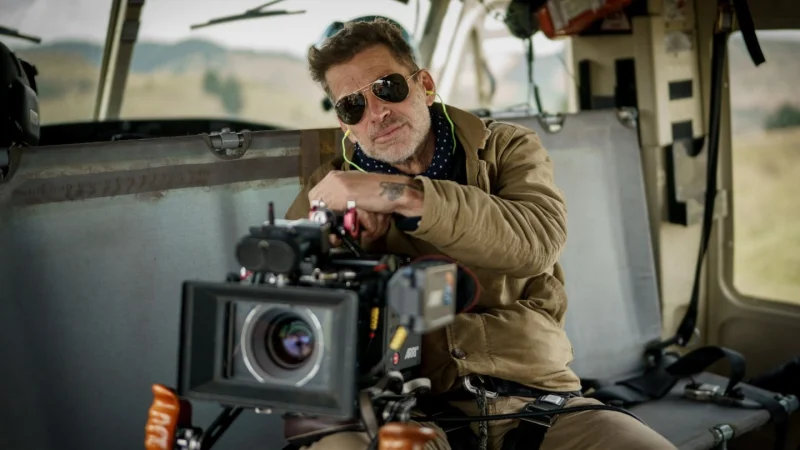
That experience came with real strain. Snyder spent a week in the Amazon and was filming in the southern reaches of Colombia, where he said there were no safety nets, no masks and no easy way to stop once he had a camera on his shoulder. He said he was in triple-digit jungle heat, later learned he had contracted COVID and, at one point, was drenched in sweat, with his back soaked and on the verge of passing out while he kept shooting the scenes he needed that day.
The film also fits into a long turn in Snyder’s career. He built his name on large-scale spectacle before moving through Warner Bros.’ DC movies of the 2010s, Justice League, Army of the Dead and the two-part Rebel Moon. The Last Photograph sits outside that machinery, and that is the point: it is a passion project that was finally completed on its own terms.
Snyder was in Pasadena just under a year ago preparing to go to the Toronto festival, a reminder of how long the film has been waiting for this moment. What happens next is simple: the premiere on Sunday will show whether a project that took 20 years to reach the finish line lands with the same force as the harder, messier process it took to get there.