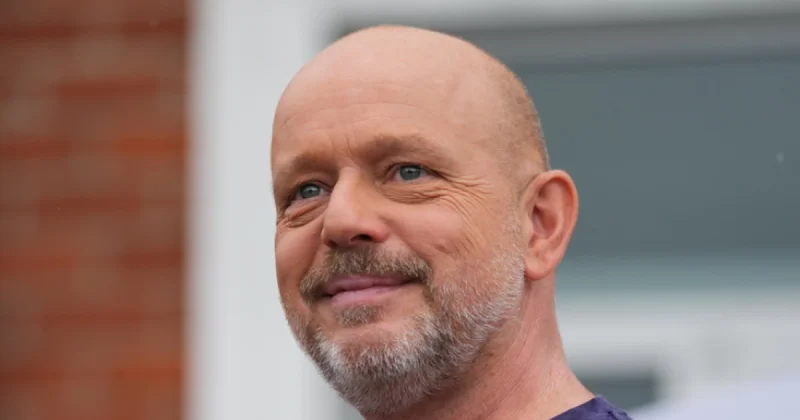
Steve Hilton wants California to abolish its Department of Motor Vehicles as a stand-alone state agency and replace the current vehicle registration system with a flat $73 annual fee per vehicle. He rolled out the plan at a DMV office in West Hollywood, saying the state should be done with what he called sky-high registration rates.
The Republican gubernatorial candidate said the plan would keep a smaller state-run operation in place for driver's licenses and REAL IDs, while routine title, registration and renewal work would move to county offices. He also said some DMV functions would be privatized, and that the buildings could be repurposed as after-school clubs and skilled-training centers instead of sitting in their current form.

The proposal is being pushed under Hilton’s Cali-fordable campaign platform, and it lands now because he is trying to turn a long-running grievance about the DMV into a campaign promise before his first debate with Xavier Becerra on Sept. 30. Juanita Sams, who said she pays about $500 a year for registration, said the lower fee would be an immediate relief: “It’s cheaper,” she said. “Once a year, I could save that.”
That savings would come with a steep tradeoff. Hilton’s campaign estimates registration revenue would fall from about $11 billion a year to $2.7 billion under the $73 fee, and he said the missing money would be covered through a separate proposal called Operation Zero Waste. Becerra’s campaign fired back that the plan would weaken safety checks, and the biggest unresolved issue is practical: abolishing the DMV as a stand-alone department would take legislative action, not a simple order from the governor’s office.
For Hilton, the bet is that drivers care more about cost and speed than about the old system. For lawmakers, the question is whether they would sign off on a rewrite that shifts routine services to county offices, trims the state role and leaves California to figure out how to make the numbers work.