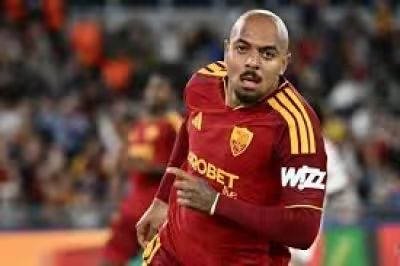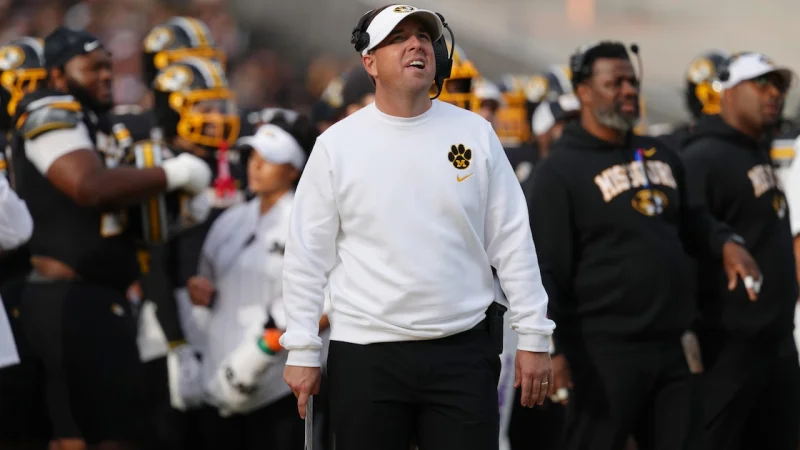
A bipartisan college sports overhaul is headed for a US Senate vote next month, and the push is gaining urgency because the same broken system is now strong enough to send a rookie NFL player back toward college football. Dae’Quan Wright, a tight end who was cut in recent training camp by the Cleveland Browns, has entered the NCAA sports portal and is likely to play for LSU.
That is why people are looking up Alberto Mendoza now: the debate over NIL, transfer freedom and college compensation has moved from a loose policy fight into a concrete Senate timetable, with a vote expected in mid-September. Ted Cruz and Maria Cantwell have introduced the Protect College Sports Act, and lawmakers are trying to decide whether Congress can rein in a system that has become defined by movement, money and loopholes.
Wright’s path gives the problem a face. He was an undrafted rookie with the Cleveland Browns, got cut in camp, then inserted himself into the NCAA sports portal and appears set to land at LSU for Lane Kiffin, who coached him at Ole Miss. A state court judge in Louisiana has said a loophole in NCAA rules allowing college athletes to play for five years can apply to Wright and others, which helps explain how a player can move from pro football back to college and still be treated as if the college route may be the better deal.
That reversal sits at the center of the mess. College sports were once sold as a way for athletes to make a few bucks while staying students, but the current setup now lets players jump from school to school for larger paydays, with NCAA caps often overtaken by legal loopholes. The article says big schools are the ones that benefit most, while money is siphoned away from academic programs and short-changing Olympic and women’s sports.
Randy Levine, who is president of the New York Yankees and vice chair of President Trump’s college sports roundtable, argued the warning signs were obvious. “Just as we predicted, if no legislative action occurred,” he said, framing the coming vote as a long-delayed response rather than a surprise. Florida Gov. Ron DeSantis is also tied to the roundtable, giving the effort a political reach that stretches beyond Congress.
The bill’s path is still only halfway clear. A Senate vote next month would be the first real test, but any overhaul would still have to survive the House and then settle how much control schools, athletes and courts should have over NIL money and transfers. For now, Wright’s possible move from the NFL back to LSU is the sharpest sign that Congress is being asked to fix a system that has already begun to bend in ways no one planned.