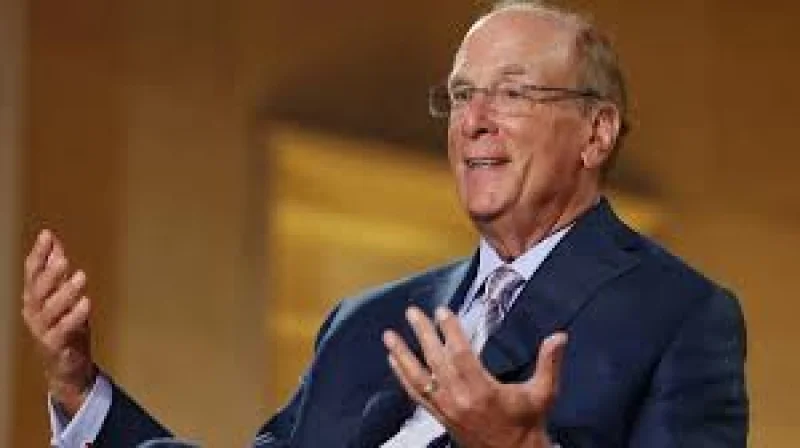
BlackRock CEO Larry Fink used the Milken Institute Global Conference in May to deliver a blunt message to American savers: keeping money in a bank account is, in his words, one of the worst financial decisions of a lifetime. He argued that too many people leave their savings idle when they could be buying assets that can grow over time.
That warning is landing now because it goes straight at a habit millions of Americans still rely on. Bank deposits are easy to reach and can be a safe place to keep cash, even if an institution fails, but cash is also the part of a household balance sheet least likely to keep up with inflation over time. Fink’s point is simple: if money stays parked, it may lose ground in real terms while investments can compound.

He is not arguing that people should empty their accounts and go all in on stocks. The practical alternative he points to is participation in investing itself, through assets that can appreciate in value rather than savings accounts that mostly preserve spending power in the short run. Broad-market index funds or ETFs can reduce the risk of betting on a single company, while bonds offer a different route, with governments and companies paying interest and returning principal when they mature.
The contrast matters because the safety of cash has always been its selling point. It is there for emergencies and short-term bills, which is why no serious adviser would dismiss it entirely. But Fink’s broader case is that safety alone is not a strategy for building wealth, especially if wages do not rise fast enough to match the gains created by capital. He said economic success will not be broadened only by wages in an AI world where wage growth may trail the potential return from AI-related investment.
That argument is sharper today because the S&P 500 is trading near record highs and FactSet said the benchmark index is on track to post year-over-year earnings growth of over 50% for the second quarter. In other words, the market is already rewarding capital while savers sitting in bank accounts are still earning the slower, steadier return that inflation can erode year after year. Fink’s challenge is not just that people should invest more, but that they need to decide how much cash is enough before the money they think is safe starts quietly falling behind.