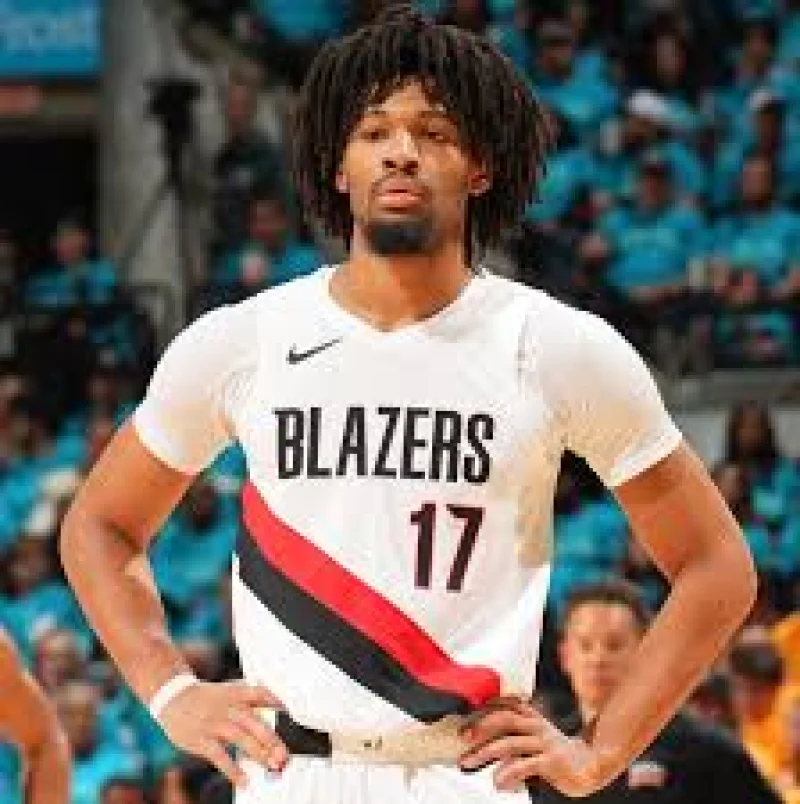
Shaedon Sharpe is entering his extension era with the Portland Trail Blazers, but the timing is less about comfort than pressure. Portland’s guard room has filled up fast, and that leaves Sharpe facing a simple question for the new season: can he hold a place when the Blazers have more ball-handling options than they had a year ago?
That question is showing up now because Portland changed the shape of its backcourt in the 2026 NBA Offseason and then added more urgency with Damian Lillard expected back this fall. Sharpe, 20.8 points per game in 50 appearances last season, is no longer being judged only by scoring. He is being weighed against a roster fit that now demands cleaner shooting, steadier defense and fewer mistakes, especially from a player whose usage rate climbed from 25% to 30%.
The case for Sharpe is still real. He scored enough to remind the Blazers why he matters, and his activity jumped on the defensive end too, with 1.4 steals per game and 2.3 steals per 100 possessions last season. But the numbers also explain why his role is not guaranteed. He shot 33.7% from three, a mark that leaves room for doubt when Portland is deciding which guards can survive together on the floor. His turnovers per 100 possessions rose from 3.2 to 4.8, and his turnovers per game moved from 2.1 to 2.9. That is the kind of drift that can shrink a player’s leash when a team has more creators to choose from.
The problem for Sharpe is not just that Portland has added competition. It is that the competition changes what the team needs from him. The Blazers traded for Ja Morant in the 2026 NBA Offseason, Jrue Holiday was one of the best players on the roster last season, and Scoot Henderson is entering his fourth NBA season. In that setting, Portland’s lone shooting guard does not get to live on scoring alone. He has to make the simplest shots, defend without drifting, and protect the ball well enough to stay in the rotation when the lineup gets crowded.
That is why the next decision matters so much. Sharpe is into his extension contract now, which usually buys a player time, but Portland’s guard depth means the contract is not a shield by itself. If he does not sharpen the three-point shot and clean up the turnovers, the Blazers can shorten his run without changing the plan around him. The fall lineup decisions will show whether Portland still sees him as a core piece or as a talented scorer who has to fight to stay on the floor.