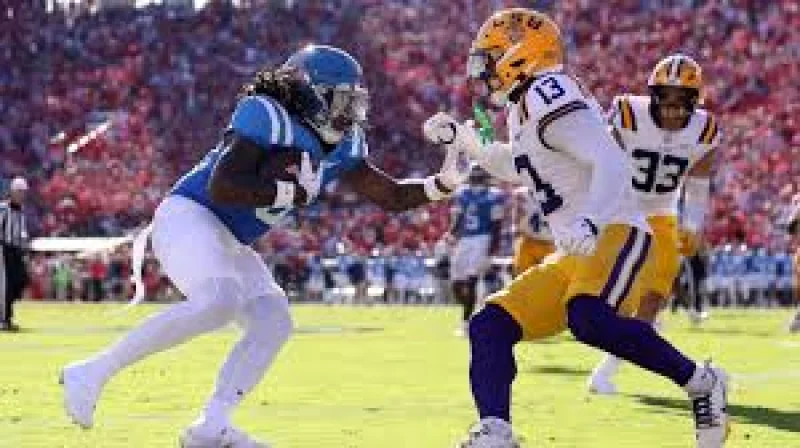
A Louisiana court order on August 20 gave 16 players from the class of 2022 a fifth year of eligibility, and former Ole Miss tight end Dae'Quan Wright was among them. The ruling immediately put a small but real group of roster decisions back in play just as the college football season was getting underway.
Wright's name drew attention because he moved quickly after the order, reportedly entering the transfer portal and then taking the field for the Cleveland Browns on Saturday. That sequence turned a legal ruling into something more immediate: a player with one foot in college football again, at least on paper, while another door was open in the NFL.
The lawsuit in Louisiana came after the NCAA announced a five-year, age-based eligibility model. Under that plan, athletes get five years to play five seasons beginning with their 19th birthday or the day they enroll at a school, whichever comes first. The temporary restraining order gave the affected players a different path for now, and it applied to 16 athletes from the class of 2022, including former LSU defensive end Jack Pyburn.

That is where the friction starts. Speaking after Oregon's practice on Saturday, Dan Lanning said there are “a lot of negatives” tied to the ruling. He said that once a player goes to the NFL, “you’re in the NFL” and should not have the chance to come back, and he argued that roster limits make the issue harder because bringing one player back can mean forcing another off the team.
Lanning's point lands because the order does not touch only abstract eligibility rules; it changes who can fit on a roster right now. Coaches have already built their teams under those limits, and the ruling opens the door for some players to return after plans were already set. The source material does not identify the other 14 players in the group, leaving the full impact of the order partly hidden even as its effect is already being felt.
For Wright, the next step is now the only part that matters. He has the order, he has entered the transfer portal, and he has already been on the field for the Cleveland Browns. What he chooses next will show whether the ruling becomes a one-time legal exception or the start of a return that reshapes a roster spot somewhere in college football.