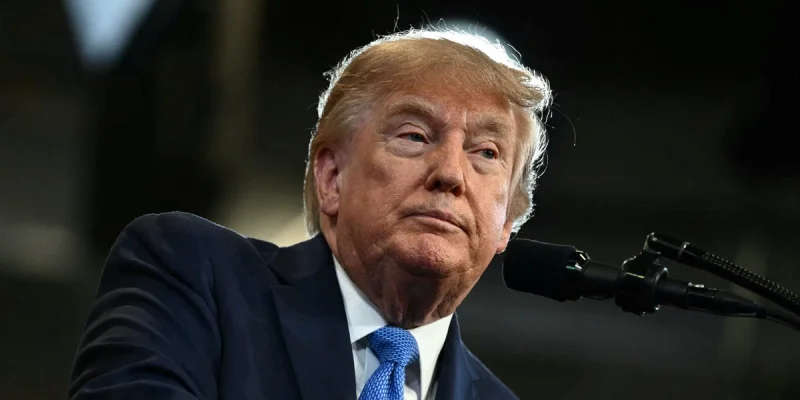
Donald Trump said Friday the US would allow up to 300,000 metric tons of beef to be imported over the next 90 days without the usual out-of-quota tariff, a move aimed at bringing grocery prices down but one that immediately angered cattle producers.
The National Cattlemen's Beef Association, which represents more than 175,000 cattle producers and feeders, said the plan would do more harm than good. The group said the announcement was not about helping producers and argued that encouraging more beef imports would undermine American cattle producers at a moment when the industry is already under strain.
That criticism landed quickly because beef prices have stayed high for everyday shoppers while Trump has made lower costs a central part of his pitch to voters. The number he chose also matters: 300,000 metric tons over 90 days is not a small easing of trade. It is roughly 100,000 metric tons a month, a pace that would put heavy additional supply into the market during a short window and could pressure prices just as the administration wants relief at the checkout line.

Colin Woodall, the association's chief executive, said he was disappointed and warned that the move and other market interventions throw cold water on the prospect of herd expansion. He said the announcement sacrifices long-term stability for short-term messaging, a sharp rebuke from an industry that is trying to decide whether it can rebuild herds next year after years of high costs, a shrinking national cattle inventory and land constraints tied to ongoing droughts.
Woodall's complaint also goes to the core problem for producers: if ranchers do not see stable prices ahead, they are less likely to spend the money needed to grow herds. That is why the association said repeated whiplash on trade policy and beef imports directly affects rural cattle producers, even if the near-term political appeal is lower beef prices for consumers.
Other industry voices joined the criticism. Stacy Simunek said letting foreign beef products essentially walk in the country's front door and onto grocery store shelves threatens one of the few bright spots in agriculture, the prices producers receive when they sell cattle even as the cost of raising them keeps climbing. Gentner Drummond said flooding the market with imported beef hurts farmers and ranchers who work every day to produce the best beef in the world.
Tim Sheehy said he had advised Trump against the plan. The association was more explicit, saying the announcement was 100% about the 74 days between now and the midterm elections rather than about helping producers. What remains unclear is whether the White House will extend the approach after the 90-day window ends or whether producers will be left to absorb the price effects of a short-term intervention that could echo into next year's herd decisions.