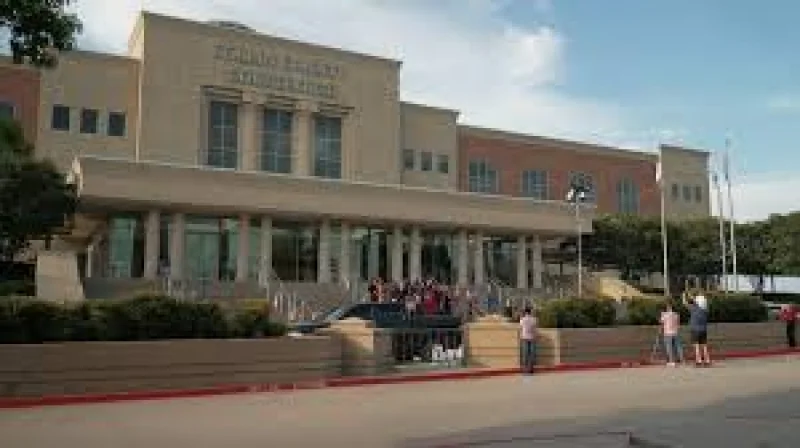
Judge Michael Chitty denied Karmelo Anthony’s request for a new trial on Saturday, leaving in place the murder conviction and 35-year sentence tied to the killing of Austin Metcalf. The ruling came after testimony stretched into Friday evening, ending Anthony’s bid to undo the case that put him in prison earlier this summer.
That is why the case is back in focus today: Anthony was convicted of murdering the 17-year-old after stabbing him during a Frisco ISD track meet in April 2025, and the new-trial hearing was his latest attempt to challenge what happened in court. A Collin County jury rejected Anthony’s self-defense claim and found he intentionally stabbed Metcalf during an altercation, so the question before Chitty was whether the earlier trial had been fair enough to stand.

The hearing turned on how much the defense and prosecutors knew, and what they agreed to keep away from the jury. Toby Shook said prosecutors put the defense in a corner and that the plan had been for Anthony to take the stand in his own defense, but that prosecutors would severely limit what he could be asked because of a private gentleman’s agreement not to bring up either man’s background. Russell Wilson said a heated argument between the sides made Anthony lose trust in the state, and that helped lead him not to testify.
Bill Wirskye pushed back hard on that account, saying there was never an agreement preventing Anthony from taking the stand. He said the unusual rules were needed because of threats, intense public pressure and misinformation about the case, and argued that the restrictions protected the trial. The defense said the measures went too far and that the lack of public access violated federal law, while Thursday’s opening statements in the hearing exposed the violent backgrounds of both Anthony and Austin Metcalf and made clear that an off-record understanding had been used to keep those details from the jury and the public.
Chitty’s denial leaves Anthony with his conviction intact and no new trial on the immediate horizon. What remains unresolved is whether he will mount another appeal, or whether this ruling becomes the point where the case stops moving in the courtroom.