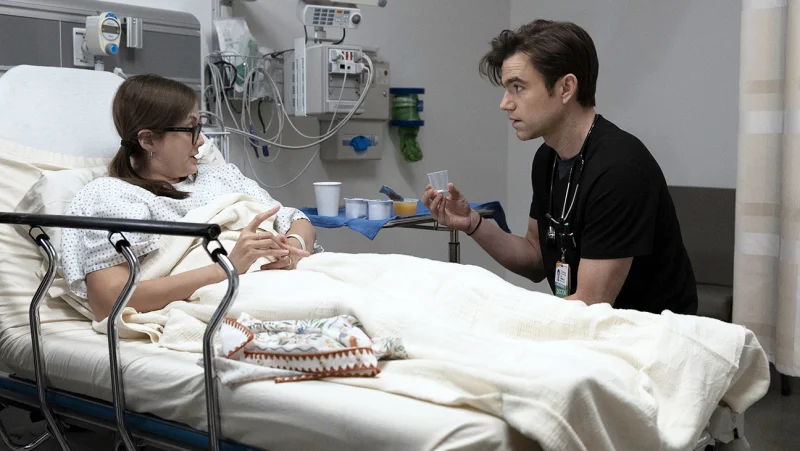
Tal Anderson said her first Emmy nomination for The Pitt feels less like a career milestone than a sign that she is being let into the conversation. The actor, a first-time nominee, has tied that moment to a larger push for television to stop flattening neurodivergent people into a single idea of autism.
That is why her name is drawing attention now. Anderson’s nomination lands as Emmy season also renews the argument over who gets seen on screen, and who does not. She said the recognition feels like acceptance, a word that carries more weight than praise when the subject is representation and the audience is people who have rarely seen themselves reflected with care.
Anderson’s criticism is blunt. She said television too often bundles neurodivergent experience into one story and erases the differences between ADHD, dyslexic and autistic adults. When that happens, she said, viewers can come to believe that autistic people are all low-support needs if that is all they see onscreen. In her view, that leaves out “an entire half the autistic community” and does long-term damage to how people understand autism.
Her comments land against a backdrop that has shifted, but not enough. Television has long relied on narrow, white male savant-style portrayals of neurodivergence, and that has left women, people of color and many other real-world experiences out of frame. Anderson said the writing staff on The Pitt handled her character differently, introducing neurodivergent characters as people first rather than reducing them to behaviors or challenges. She also said autistic women often behave differently from autistic men because of cultural and social pressures, and that the show got that distinction right.
That approach shows up in the second season of The Pitt, where Becca King pushes back against her twin sister, Dr. Mel King, and reveals she is having sex with her boyfriend. Anderson said that storyline matters because bodily autonomy is something all disabled people battle. She linked it to infantilization and the right to personal privacy, adding that it was a huge moment to help bring that subject into the spotlight through Becca. For her, the point is simple: everyone has the right to help make decisions about their own personal life.
The wider industry conversation has been moving in the same direction, even if unevenly. Cian O’Clery, who co-created Love on the Spectrum first in Australia and later as an Emmy-winning U.S. adaptation for Netflix, said he never expected the series to become such a focal point of autism representation. He said the aim was never to tell the story of autism, but to center the individual stories of the castmembers. That distinction matters because Love on the Spectrum has received increasing numbers of applications every year from autistic people looking for help entering the dating world, a sign that audiences are responding to something more personal than stereotype.
Anderson’s nomination does not settle the broader argument. It does, though, show where the pressure is now: not on whether autism belongs on television, but on whether television is finally ready to show the full range of who autistic people are.