The Organización de Estados Americanos approved a resolution on Wednesday to convene an urgent meeting of foreign ministers on Nicaragua, a move that could sharpen pressure on the Ortega-Murillo government after years of warnings that went nowhere. The vote passed 29 to one, with one abstention, and it followed a failed attempt on 5 August to gather enough support.
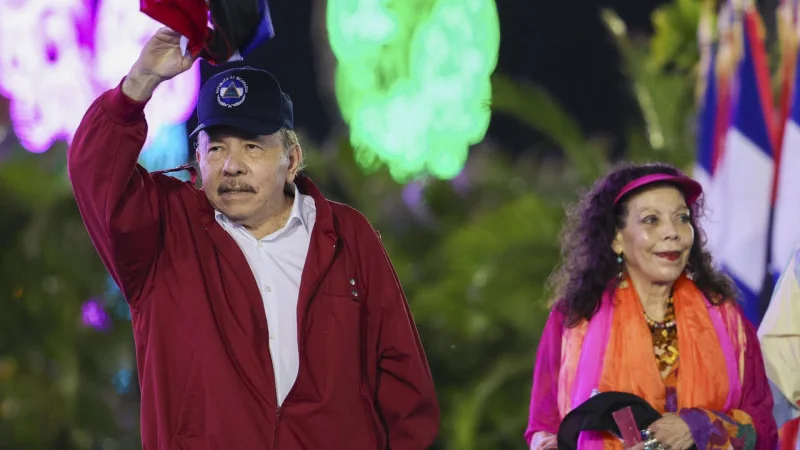
The meeting is meant to debate actions in response to a plan by the government in Nicaragua to eliminate competitive elections, a step that comes on top of a constitutional reform already approved by Congress of Nicaragua that would shut the opposition out of future votes and extend the presidential term to seven years, renewable. Daniel Ortega and Rosario Murillo control the legislature and govern with absolute power over Nicaraguan society, which is why this latest OEA move lands as more than another condemnation.
Juan Sebastián Chamorro called the decision an “apabullante victoria de la democracia en Nicaragua,” and the applause around the room was easy to understand. The OEA has spent years debating Nicaragua in session after session, but those meetings usually ended with statements and no machinery behind them. This time, the organization is trying to move from language to procedure, even if it still has not said what concrete measures the foreign ministers might recommend.

The break in the vote mattered almost as much as the result. Brasil voted against the resolution while saying it supports human rights, warning that sanctions could “kill the patient.” México abstained. Carlos Cherniak said the situation in Nicaragua is urgent, and Michael Kozak argued that repeated condemnations without meaningful institutional action only teach Ortega and Murillo that they can wait out the pressure.
That pressure comes after a long sequence of repression that has already remade the country. The protests of 2018 left about 350 dead, according to the ONU, and hundreds of thousands have gone into exile since then. In 2021, Ortega jailed the candidates with a chance of beating him, accused them of treason and stripped them of citizenship, then later revoked the citizenship of about half a thousand activists, humanitarians, intellectuals, journalists and priests. Nicaragua withdrew from the OEA in November 2023, so even if the foreign ministers move toward suspension or expulsion, that step would not apply in the usual way.
Estados Unidos remains Nicaragua’s main trading partner, and the country still receives credit from international banks and the FMI, which gives the coming ministerial meeting real leverage if member states decide to use it. For now, the unresolved question is not whether the OEA is alarmed. It is whether the foreign ministers meeting it has just set in motion will finally produce action that changes the cost of what Ortega and Murillo are doing in Nicaragua.