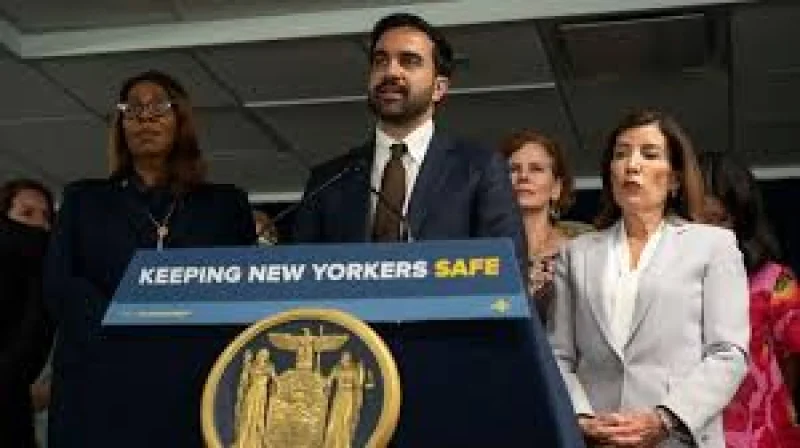
Zohran Mamdani's standing in New York City kept rising in a Siena University poll released Aug. 12, with 69% viewing him favorably and 24% unfavorably. Statewide, though, his numbers were far softer, at 47% favorable and 44% unfavorable among 811 likely New York voters.
That split explains why the new poll is drawing attention now. Mamdani is a New York City figure first, and the city is where his support is most concentrated, while the rest of New York State is far less forgiving. In the city, the survey found only 8% had no opinion, a sign that more voters have settled on an answer as he has become better known. Outside the city, the picture is tighter and more divided.
The latest city reading also marks a clear jump from June, when Siena found him at 58% favorable and 26% unfavorable in New York City. That is an 11-point gain in favorable views and a slight drop in unfavorable views, which suggests his name recognition has translated into warmer sentiment rather than just broader awareness. Statewide, he moved only modestly from 45% favorable in June to 47% in the new poll, while unfavorable views rose from 34% to 44% and the share with no opinion fell from 21% to 8%.

The contrast is even sharper upstate, where Mamdani's favorability was 41% and his unfavorable rating was 46%. That gap shows the city is carrying his numbers while much of the state remains skeptical, a divide that matters because statewide opinion is what ultimately sets the ceiling for any broader political ambitions in New York.
Siena asked voters about the Democratic Socialists of America for the first time as well, and the answers mirrored the same regional split. The group was viewed favorably by 49% in New York City and unfavorably by 47% statewide, another hint that Mamdani's appeal is tied closely to a city electorate that is more open to his politics than the state at large.
Mamdani took office in January, and the polling suggests his profile has been climbing since then. He was upstate on vacation with his family when the results were released, but the broader question is now whether his stronger city numbers can keep lifting him if voters outside New York City continue to pull the other way.