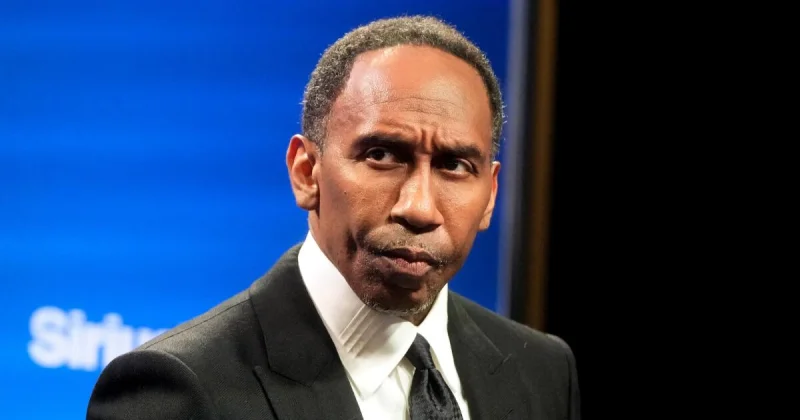
Stephen A. Smith turned the National Assn. of Black Journalists' new “Thumbs Down” award into a direct fight on Monday, calling the group’s decision a “political and ‘personal hit job’” and saying he was being singled out for his views. In a 44-minute address on his YouTube channel, Smith said the award went far beyond criticism and landed as one of the lowest insults he had ever received.
The NABJ gave Smith the award at its gala on Saturday, saying it was based on his consistent criticism of Black female politicians. That made the issue immediate for readers searching NABJ today: the group publicly rebuked one of the country’s best-known commentators, and he answered with a long refusal to accept the premise.
Smith said he was “far from perfect” but that did not excuse what he said the NABJ had done. He said, “I’ve received a lot of insults in my day, but that might be the lowest,” and argued the dishonor had nothing to do with journalism. Instead, he said, board members were unhappy with his political opinions. “People are scared,” he said, adding that he is a registered independent and does not “speak glowingly enough about the Democratic party.”
He also called out NABJ President Errin Haines, saying Haines and other board members did not reach out to him. Smith said he invited Haines to discuss the award on the air, but she declined. The NABJ answered that Haines welcomed a private conversation centered on listening, accountability and meaningful dialogue, and that she did not rule out a future public conversation. That leaves the dispute on two different tracks: Smith says he was shut out, while the NABJ says it held the door open.
The award was not limited to Smith. Brendan Carr, DuJuan McCoy, CBS News and the Washington Post were also recipients of the “Thumbs Down” award, which the NABJ said is meant to create accountability rather than permanent condemnation or criticism for its own sake. The group said that accountability should make room for reflection, dialogue and progress, and it said it remains open to meaningful engagement with this year’s recipients.
The fight now turns on the same point from two directions: whether the NABJ was drawing a line over conduct it sees as a recurring pattern of disparaging remarks toward prominent Black women, or whether it crossed into a political punishment dressed up as critique. Smith has already made his answer plain, and the group’s next move will be judged by whether it tries to turn the fight into the conversation it says it still wants.