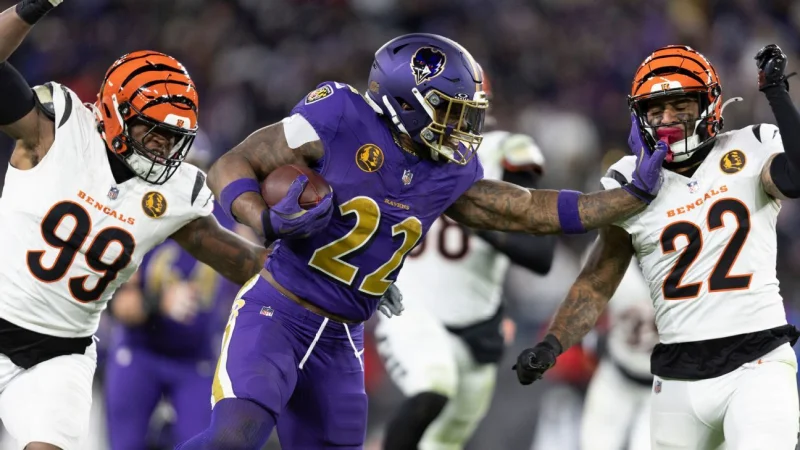
Adrian Peterson has entered the Pro Football Hall of Fame conversation for 2027 as a first-time eligible candidate who makes sense as a possible first-ballot selection. The running back, who played 15 seasons in the league, is suddenly part of the selection picture that will shape the next class.
That is because his case is built on the kind of production that usually gets voters’ attention fast. Peterson finished with 14,918 rushing yards, fifth in NFL history, and he also rushed for over 2,000 yards in a single season while winning league MVP and Offensive Rookie of the Year honors. Those numbers put him in the company of backs whose careers were defined not by long peaks alone, but by seasons that changed how defenses had to play him.
The timing matters. Peterson is eligible because players must be retired for at least five years before they can get into the Hall of Fame, and the Class of 2027 will be decided through a process that can be unforgiving even for obvious names. The Hall of Fame class has at least four inductees and no more than eight from 20 finalists, while the 15 modern-era finalists are cut from 10 to seven before voters are asked to choose five candidates. A player needs 80% support to be inducted.

That structure is why a strong first-ballot case is never the same as a sure thing. When the vote is split among multiple worthy names, a clear resume can still get crowded out, and the recent cycle showed how hard that road can be. Bill Belichick and Robert Kraft were not inducted on Saturday, a reminder that even the biggest résumés can run into a board that does not spread its votes easily.
Peterson’s profile should still travel well through the process. He was an unstoppable force as a runner for 15 seasons, and the combination of yardage, awards and milestone seasons gives him the kind of record voters usually have to confront early. The question now is less about whether he belongs in the discussion than whether enough voters will make room for him when the Class of 2027 is narrowed down.
That next step is the test that matters. If Peterson lands among the finalists and enough voters treat him as a priority, his case could clear the 80% threshold quickly. If the vote splinters the way it did before, he will still be a leading name — but one that has to wait.