


Alexandria Ocasio-Cortez and Zohran Mamdani are now saying out loud what many on the left had already begun to signal quietly: the pandemic-era language around defunding the police is no longer the language they want to use. Ocasio-Cortez said on 9 August, the 12th anniversary of the police killing of Michael Brown Jr in Ferguson, Missouri, that she had moved away from the statements she made during lockdown about police and prison abolition.
That shift matters because the search for whether progressive politicians still stand behind defund the police rhetoric is not academic. It goes to how they talk about crime, public safety and what voters hear when these candidates say they are for change. Ocasio-Cortez said the moment that opened during Covid was unusual, but she also drew a line between then and now, saying, “during lockdown, of course, rhetoric in that time is not rhetoric that we would use today.”
She went further, describing the pandemic as a period when “the doors were really open in trying to entertain any and every policy that was going to get us to a better place.” But she also said, “I actually think that the discussions that were had in that time were quite fruitful,” and added that crime is now talked about differently than it was when the focus was on bringing crime down. “I think that we all share in the goals of having as low a crime rate as possible,” she said. She also said she was glad candidates could “present who they are to their electorate and what they’re campaigning on in this moment.”

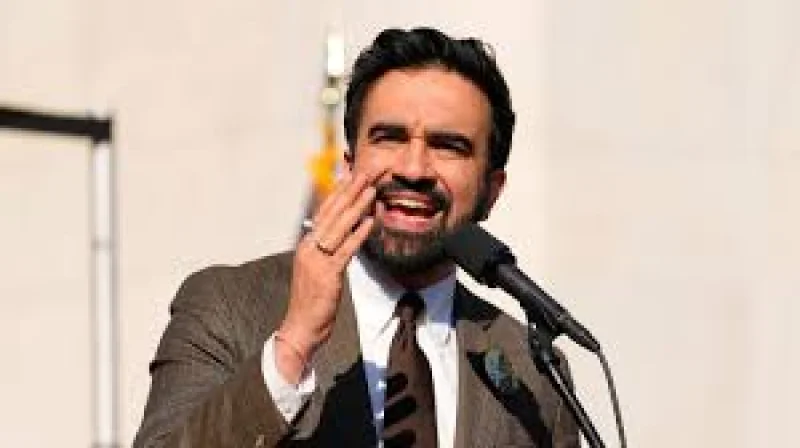
A few days later on Wednesday, Mamdani made the break even clearer. “Sometimes what you believe in can change,” he said, before adding, “I know there are some for whom they still believe in that.” Then he said it plainly: “I’ve made very clear that I do not believe in defunding the police and that to me, delivering critical public safety also looks like working with our police department alongside many other partners.” That is a sharp turn from the pandemic-era support for the defund movement that he expressed in tweets, and it places him in the same retreat from abolition language that Ocasio-Cortez described.
The friction is that the people who once helped give that rhetoric national force are now stepping back from it while others have not. Chi Ossé, who was inspired by the abolition movement to run for office, said earlier this week that he coined the term “woke 1,” a phrase used by people trying to soften statements made in the aftermath of George Floyd’s murder in May 2020. The term itself has become a shorthand for retreat, and the public reversals from Ocasio-Cortez and Mamdani show how far the political ground has shifted since the height of the movement.
What remains unresolved is not whether the language has changed — it plainly has — but how much of the old abolition message survives inside the new public-safety pitch. For now, the answer from two of the movement’s most visible voices is that the pandemic version is over, and they want voters to judge them on the politics they are campaigning on now.
