


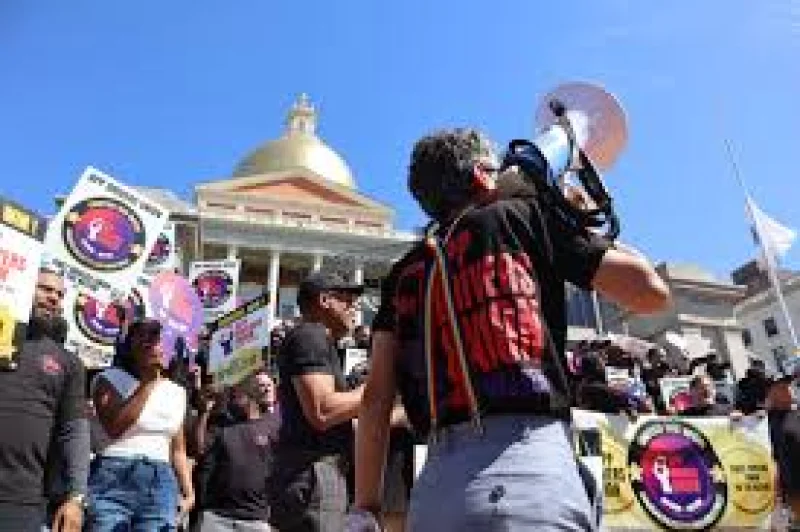
Gov. JB Pritzker signed House Bill 5090 on Friday, creating a new path for Illinois rideshare drivers to unionize and bargain collectively with the companies they drive for. The measure puts in place the Transportation Network Driver Labor Relations Act, a statewide framework for workers who use app-based transportation platforms.
The law matters now because it reaches more than 100,000 drivers across Illinois, including people who work for Uber and Lyft. For drivers who have long had to absorb fluctuating pay, vehicle costs and limited protections on their own, the signing turns a longtime demand into state law.
Ram Villivalam said rideshare drivers are the back-bones of their communities, taking neighbors to work, school and doctors' appointments, while many of those same workers have faced lower wages, higher vehicle costs and unfair working conditions. Under the new law, drivers can form and join driver organizations, choose bargaining representatives and negotiate over compensation, benefits, paid leave, deactivation appeals, earnings transparency and workplace safety requirements.
The system is broader than a single-company fight. House Bill 5090 creates a statewide bargaining unit for transportation network drivers and lays out procedures for recognition, elections, contract talks and dispute resolution. It also spells out unfair labor practices for both rideshare companies and driver organizations, giving the process rules before negotiations begin.
That said, a deal struck at the table will not be final the moment it is reached. Any negotiated agreement still has to win approval from the Illinois Department of Labor before it takes effect, which means the new rights are real but not yet fully in drivers' hands.
The law also creates a Rideshare Workers Support Fund, paid for through a per-trip fee collected from covered transportation network companies. The revenue is meant to help cover administrative costs and support education and representation efforts for drivers, adding a financial backbone to the organizing rights the bill creates.
Genie Kastrup called the signing a turning point not only for rideshare drivers but for the future of work in Illinois. Ronnie Gonzalez said the law gives drivers the freedom to come together and have a voice in decisions about the pay, protections and dignity they deserve. What happens next is the practical test: whether the new structure can move from law on paper to bargaining power that drivers can actually use.
