


The Senate voted 90-6 early Saturday to pass a Senate government funding bill that would keep federal agencies open through Dec. 11 and push the immediate shutdown threat past the Sept. 30 deadline. The measure was sent to the House, but it is not law yet.
That timing is why the vote matters now. With the deadline days away, lawmakers are trying to avoid another last-minute scramble and buy time for a December fight that could come after the November elections and before newly elected members take office.
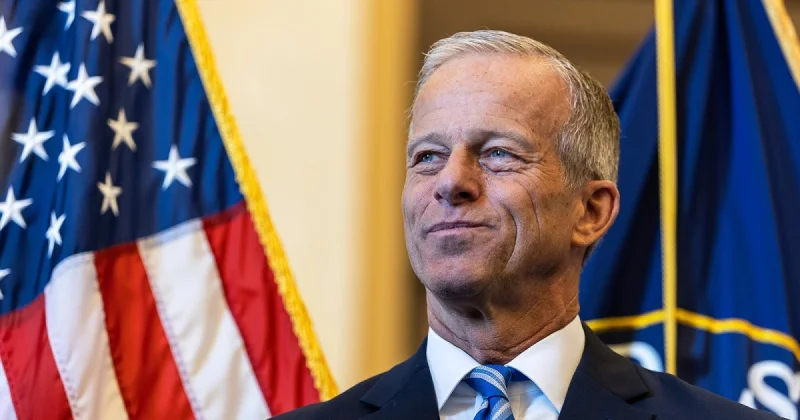
Senate Majority Leader John Thune said Monday that recent, historically turbulent funding negotiations helped drive the early vote. He said there had been enough uncertainty over the last year and, after two long shutdowns, predictability was better for everyone.
John Kennedy was less optimistic. Earlier this week, he said a budget finished by Dec. 11 would take on “whiffs of frozen hell and donkeys flying,” then added, “I mean, it’s probably not going to happen.” The blunt verdict captured the mood around a bill that solves one problem while setting up another.

The legislation would also delay a ban on hemp-derived THC products until Dec. 11, which is one reason the December debate is already taking shape. Mike Rounds said opponents of the delay did not want to cause a shutdown and would keep arguing the issue later, a sign that the short-term truce is carrying a longer list of unfinished business.
That December list is already crowded. The article says Congress has all but guaranteed a maelstrom of policy fights over hemp-derived intoxicating products, the White House’s politicized approach to federal grants, immigration enforcement funding and unfinished full-year spending bills.
There is still a catch, and it is a big one. Even after the Senate vote, an October shutdown remains possible because the House has not approved the bill. Members are expected to return from recess in September, leaving a narrow window to act before the Sept. 30 deadline.
This is the latest turn in a year that has already produced three funding lapses, including a four-day shutdown from Jan. 31 to Feb. 3, a 76-day lapse from February to late April over immigration enforcement money, and a 43-day lapse in October and November 2025 tied to health care subsidies. The Senate has now done its part; the question is whether the House will move fast enough to keep the government open and avoid adding one more lapse to the count.
