


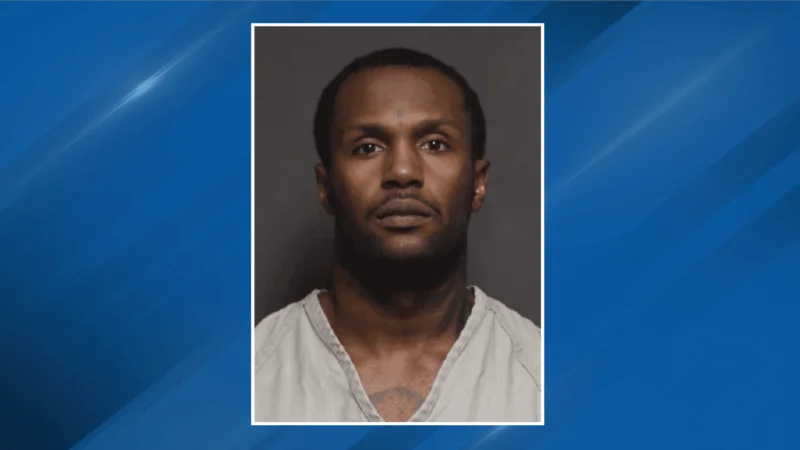
Marcus Williamson will not go to prison now after a Franklin County judge on Thursday reserved a 19- to 21 1/2-year sentence and tied his freedom to treatment, house arrest and community control. If he completes the court's mental health program and four years of supervision, he can avoid serving that term.
The decision landed after Williamson pleaded guilty to nine counts of robbery tied to a series of holdups across Franklin County in 2024. Prosecutors said he wore a mask and latex gloves, drove the same Jeep and handed tellers notes saying he had a gun while demanding cash. They argued he should be sent to prison.

What makes the ruling unusual is not that punishment was imposed, but that the sentence was left in reserve. Franklin County Common Pleas Judge Sheryl Munson ordered that Williamson stay on house arrest with GPS monitoring, complete the RISE program, stay away from financial institutions and commit no new offenses. The prison term is real, but it only takes effect if he fails the treatment plan and the four years of community control that now sit between him and prison.
Williamson told the court he has struggled with schizoaffective disorder and said he accepted responsibility for failing to manage his mental illness. That was the gap the judge chose to address with treatment instead of immediate confinement, even as prosecutors pressed for prison based on the robberies and the claimed or implied gun threat during several of them.
The case also carries the weight of who Williamson used to be. He played defensive back at Ohio State from 2017 through 2021, helped the school win four consecutive Big Ten championships, appeared in two College Football Playoff games and graduated with a degree in history. Now the question is not whether he was once part of a winning program, but whether he can follow a court-ordered plan strict enough to keep the reserved sentence from becoming his sentence.
