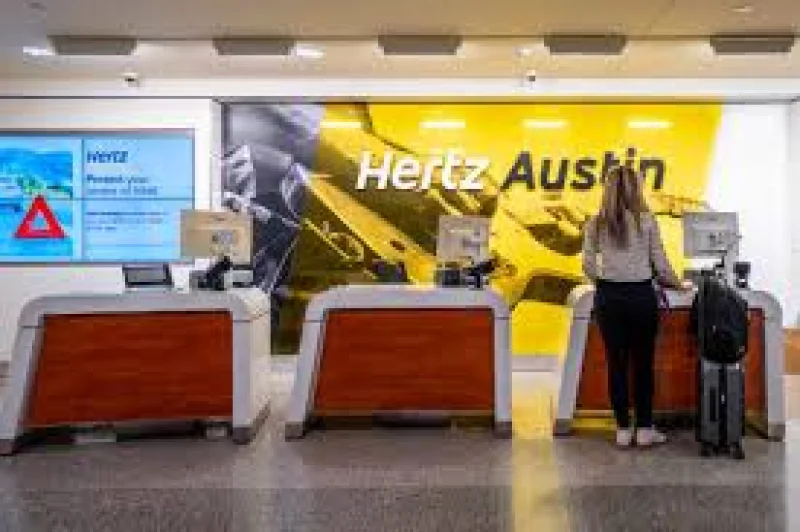
Hertz cut its second-quarter adjusted net loss to $47 million from $91 million a year earlier, while revenue rose 10% to $2.40 billion and adjusted corporate EBITDA improved to $81 million. On a per-share basis, the adjusted loss narrowed to $0.11 from $0.29.
The numbers matter now because investors watching Htz Stock are looking for proof that Hertz can turn stronger pricing into lasting profitability. The company said the quarter reflected better commercial execution, and Gil West said disciplined execution and strong commercial performance helped drive operational improvements.
That improvement showed up in the core business. Revenue per unit rose 8% from a year earlier, revenue per rental day increased 9%, and vehicle utilisation improved to 79%. Excluding the impact of recalls, utilisation would have been 81%, a sign that the underlying rental operation was running better even as the fleet was 1% smaller than a year earlier.
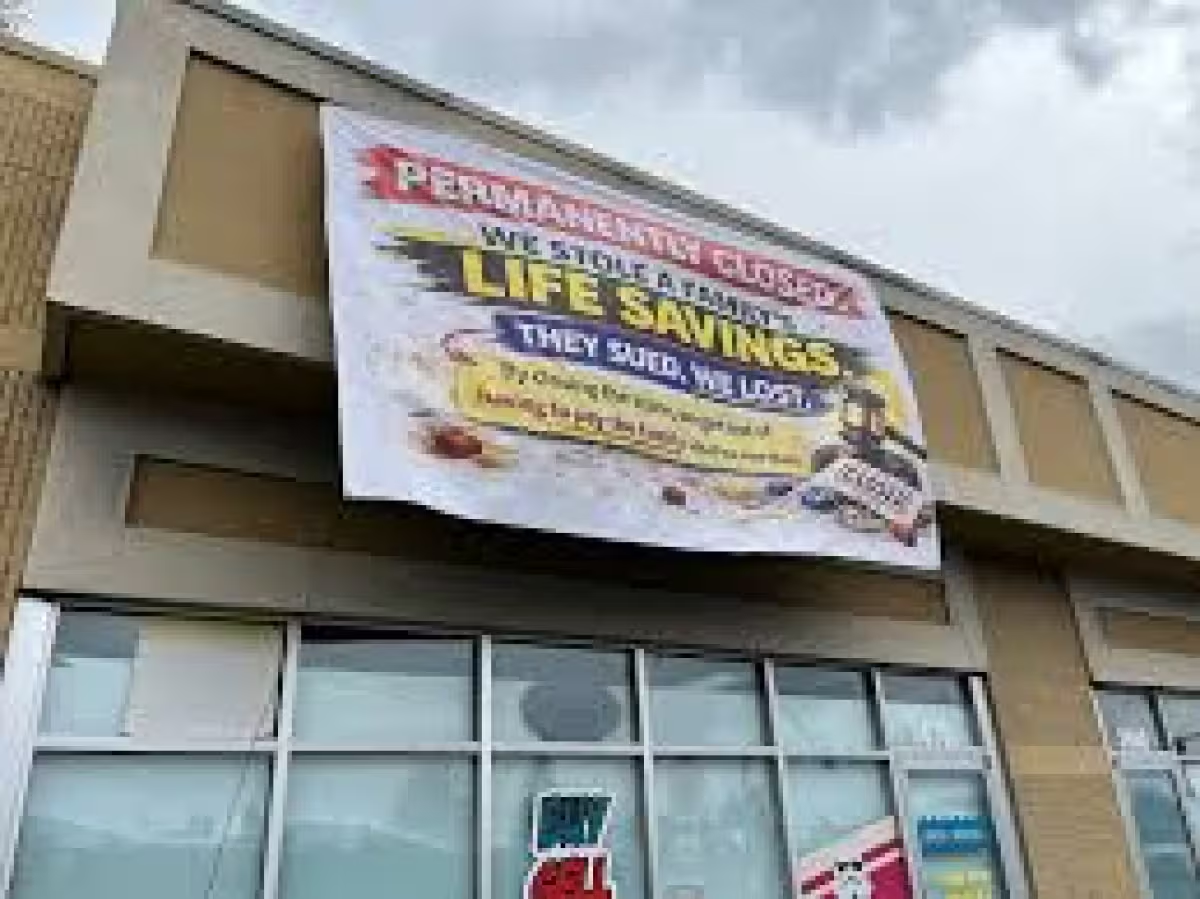
The catch is that recalls are still taking a toll. Nearly 15,000 vehicles were affected on average during the quarter, about three times more than in the same period last year. Hertz estimated that the disruption reduced GAAP net income by about $27 million and cut adjusted EBITDA by around $30 million, a reminder that pricing gains have not fully escaped operational drag.
Even so, the company said its transformation programme remains focused on strengthening profitability in its core car rental operations while expanding higher-value businesses such as fleet management, vehicle services and broader mobility solutions. It also said the spread between revenue per day and direct operating expenses widened by 17% for the third consecutive quarter, one of the cleaner signs that the turnaround is still gaining traction.
Hertz ended the quarter with $984 million in liquidity and reaffirmed its full-year targets, saying revenue per unit should exceed its long-term objective of $1,500 and net depreciation per unit should stay at or below $300. The unresolved issue is how long recall-related disruptions will keep trimming earnings, but for now the quarter shows a business that is improving faster than the damage is disappearing.