


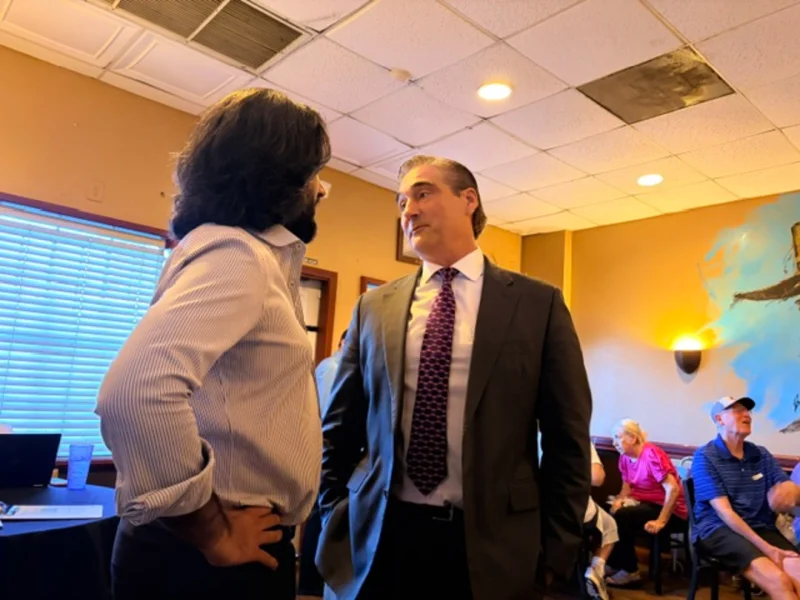
Hawaii lawmakers and advocates marked the passage and signing of new laws on Tuesday that are meant to put more distance between local authorities and U.S. Immigration and Customs Enforcement. The package includes rules that bar certain cooperation agreements, require clearer rights notices for people in custody and limit jail time for some nonviolent misdemeanor crimes to 364 days.
The timing matters because the state moved while federal immigration enforcement remains a live fear for many immigrants in Hawaii. A recent expansion of airport cooperation between the Transportation Security Administration and ICE also means some visa overstayers can still be arrested, including spouses of Americans, even as the new state laws try to narrow the path from a local arrest to deportation.
At a press conference at the state Capitol, supporters cast Act 141, Act 161 and Act 143 as a shield for people who can be swept up by immigration enforcement after routine contact with police. Act 141 blocks local law enforcement agencies and officials from entering certain cooperation agreements with federal immigration authorities. Act 161 says people in custody must be told, in a language they understand, about their Fifth Amendment rights before federal officials interview them, and it requires records tied to the detention, including communication between the person and officials, to be made public.

Act 161 also gives state agencies, including the attorney general’s office, a way to receive and act on later complaints. Act 143 sets the maximum sentence at 364 days for some nonviolent misdemeanor crimes, a change that matters because even some misdemeanor sentences can trigger deportation under immigration law. People convicted before the law takes effect can ask a court for a shorter sentence, opening a possible path for some residents to reduce the immigration consequences of an old conviction.
The laws are designed to reduce cooperation with federal immigration enforcement, but they do not end the risk of arrest or removal. That gap is why the new airport arrangement matters: it shows federal authorities are still widening the places where they can look for people, even as Hawaii tries to make local custody less useful to them. The result is a narrower but not closed shield, one that may help some immigrants while leaving others exposed when federal officers act on their own.
Last year, the new federal immigration initiative reached Hawaii in full force, and the backlash has only grown as people describe aggressive and legally tenuous actions. A high-profile raid on Maui and other enforcement operations across Hawaii fed fear and consternation, and the new laws were written to answer that climate. What remains unclear is how often local agencies will change their day-to-day practices and how many people in Hawaii will actually benefit from the new protections.
