


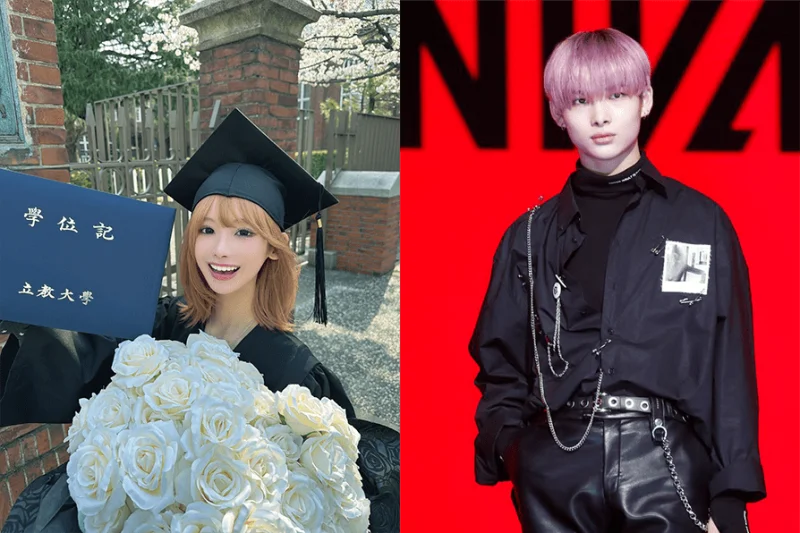
The reported death of a 26-year-old Japanese ENHYPEN fan known online as Mina has put cyberbullying and fandom behavior back under a harsh spotlight. Mina, who supported NI-KI and had built a sizable following on Instagram, was said to have been criticized online after a concert-related controversy that began in late July.
That is why the name ENHYPEN is being searched now. The dispute at the center of it involved a sunflower prop, a livestream comment, and a wave of fan speculation that turned one supporter into a target. Chinese media reports said Mina hoped Sunoo would pass the sunflower to NI-KI during the performance, Sunoo tried to hand it over, and the exchange ended when NI-KI did not take it.
What happened after that helped push the story beyond a fan argument. NI-KI later discussed fan interactions during a livestream and said fans should focus more on the performance itself rather than individual interactions. He did not name anyone, but some fans speculated that he was referring to Mina, and criticism of her followed. Mina later apologized publicly, and Chinese media reported that she then engaged in a self-harm incident during a livestream before friends confirmed her dead.
The reaction split the fandom in a way that made the damage impossible to ignore. Some fans blamed Mina for crossing boundaries, while others said NI-KI should not be held responsible for the controversy. The result was not just disagreement over a concert moment, but a dispute over where fan devotion ends and online harassment begins. The reported death also raised a sharper question: whether a person’s final moments can be reduced to a fight over idol access and fan etiquette.
Cyrus Ng said the pattern is familiar in communities built around idols. “Some fans are not only seeking to support idols, but also hoping to gain unique recognition,” he said. “When fans perceive others as crossing boundaries, collective criticism can turn into online attacks.” Ng also warned that idols’ comments can be amplified and used to target individuals, and said “online public shaming” can grow more dangerous when platforms do little to stop it. His view is blunt: “Without proper guidance, fandom communities can become increasingly toxic.”
The next question is not whether fans will keep arguing online. They will. The real question is whether social media platforms and entertainment agencies treat Mina’s death as a warning that boundary-policing in fandom spaces can slide from criticism into coordinated abuse before anyone stops it.
