


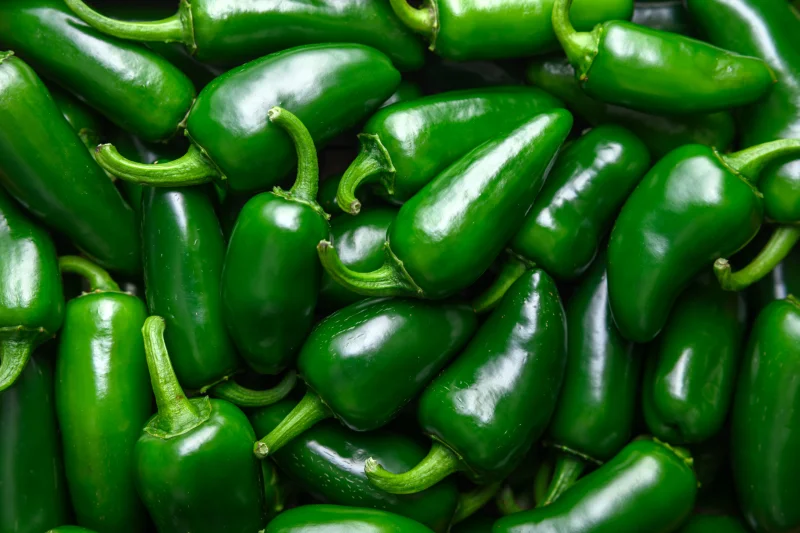
The Centers for Disease Control and Prevention issued a food safety alert on Wednesday, Aug. 5, after tracing a multistate Salmonella outbreak to recalled jalapeño peppers imported from Sinaloa, Mexico. By that day, 345 people in 27 states had been infected and 36 had been hospitalized.
The outbreak matters now because the peppers were not sold as a niche item in one place. They were distributed mainly to restaurants and wholesalers, and Coast Citrus Distributors has already recalled them and begun notifying customers. No deaths have been reported, but federal health officials are treating the contaminated peppers as the likely source after traceback information pointed to the same product.
That has put restaurant chains and food buyers on alert. Chipotle Mexican Grill and Qdoba removed the affected jalapeño peppers from their restaurants, and the CDC said neither chain is considered an ongoing risk because the peppers have already been taken out of service. The question left open is broader: whether the recalled peppers also reached grocery stores.
The U.S. Food and Drug Administration is still investigating that point, and further recalls could be announced if contaminated products are found in retail stores. Until then, restaurants and other food businesses have been told to stop serving or selling the recalled peppers and to wash and sanitize any surfaces or equipment that may have come into contact with them.
Salmonella infections usually cause diarrhea, fever and stomach cramps beginning six hours to six days after exposure. Most people recover within four to seven days without treatment, but severe illness can require hospitalization, and young children, adults 65 and older and people with weakened immune systems face the greatest risk.
For consumers, the immediate issue is not whether a warning was issued, but whether the peppers in their kitchens or stores came from the recalled supply. That answer is still being worked out by the FDA.
