


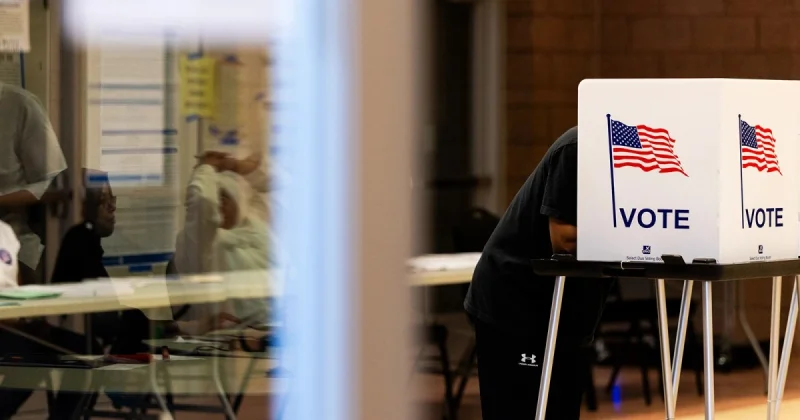
The Democratic fight that has drawn the loudest attention is not really about ideology. It is about the economy, and the candidates taking on the party’s establishment are feeding on that anger with a message about affordability, accountability, and a system many Americans believe is no longer working for them.
That is why MSNBC is showing up in searches now. In the latest CNBC All-America survey, 61% of Americans were pessimistic about the economy and where it is going, a number that fits the mood driving these primaries. Millions of Americans who have no political affiliation say they cannot buy a home, pay for healthcare, or comfortably cover basic living expenses, and the frustration is broad enough to shape contests far beyond any one race.
The fight between the Democratic establishment and outsider DSA candidates reflects that pressure. The rise of the Democratic Socialists of America is also about the economy, not a sudden conversion to revolution. The article frames these outlier candidates as gaining ground because they talk effectively about affordability and accountability, while the richer end of the country keeps pulling away. The richest among us have grown significantly richer, even as millions of Americans struggle to support themselves, and that gap is helping turn economic grievance into political energy.
That same resentment runs through the broader political picture. Republicans have the biggest campaign war chest, and it is still growing, while the Trump administration’s biggest wins have been regulatory relief, tax cuts, and a stock market that keeps climbing. But Trump is tanking in the polls, and the article says anti-establishment candidates on the left are rising at the same time. The split is telling: Trump has lost support for not being honest with his base, yet the central issue in these primaries is not integrity alone. It is whether the system delivers for people who are trying to get by.
The pressure does not stop at campaign rhetoric. On Tuesday the Senate Judiciary Committee advanced Todd Blanche's nomination to attorney general, and the article says IRS protections for Trump and his family businesses could be helping him avoid paying north of $100 million. Moody's estimates the war is costing American families an extra $1,000 per household. Put together, those facts reinforce the same message coming from voters in these races: many Americans think the rules keep bending for the powerful while everyone else gets squeezed.
That is the political edge Democrats have to confront now. The next winners of these primaries will inherit not just a party fight, but a public mood shaped by economic pessimism, distrust of institutions, and the sense that the system is working for someone else.
