


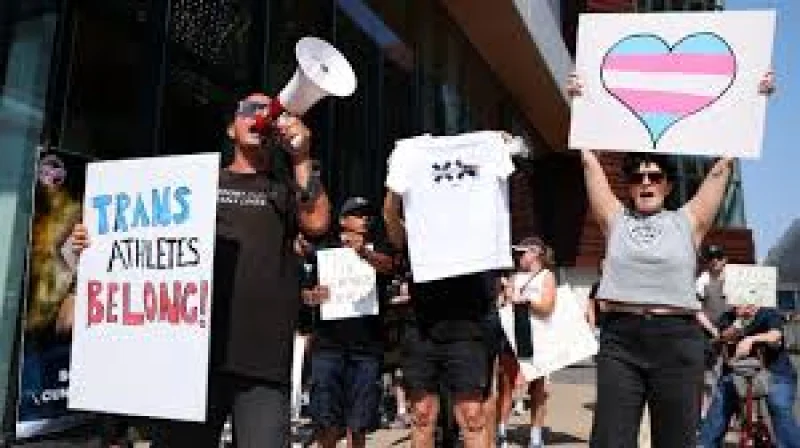
Trans activists and supporters of Sophie Cunningham clashed outside a Minneapolis arena during a WNBA game, turning a game night into a political flashpoint. Afterward, former athlete Payton McNabb and Townhall columnist Dustin Grage reacted sharply and called out Minnesota Lynx head coach Cheryl Reeve for a shirt she wore during the game.
McNabb said the display was part of a pattern that pushes politics into women’s sports and leaves female athletes’ achievements in the background. Her criticism landed in the middle of a wider argument that had already spilled beyond the court and into the crowd outside the arena.

The shirt itself became the center of the dispute, even though the public account did not spell out exactly what it showed or said. That missing detail matters because the backlash was not only about the clashes outside Minneapolis, but also about the choice to make a political statement during a WNBA game, when every gesture on and off the floor is likely to be read as a signal.
What happened in Minnesota was not a private disagreement or a postgame debate. It was a visible confrontation outside a Minneapolis arena, tied directly to a game and then amplified by Reeve’s decision to wear what critics described as a transgender advocacy shirt. Supporters of Sophie Cunningham and trans activists were placed on opposite sides of the same story, while McNabb used the moment to argue that the sport’s own accomplishments were getting pushed aside.
The next question is not whether the argument will fade on its own. It is whether the league and the teams around it can keep game day from becoming a stage for political conflict every time a public display or a crowd confrontation breaks out in Minnesota.
