


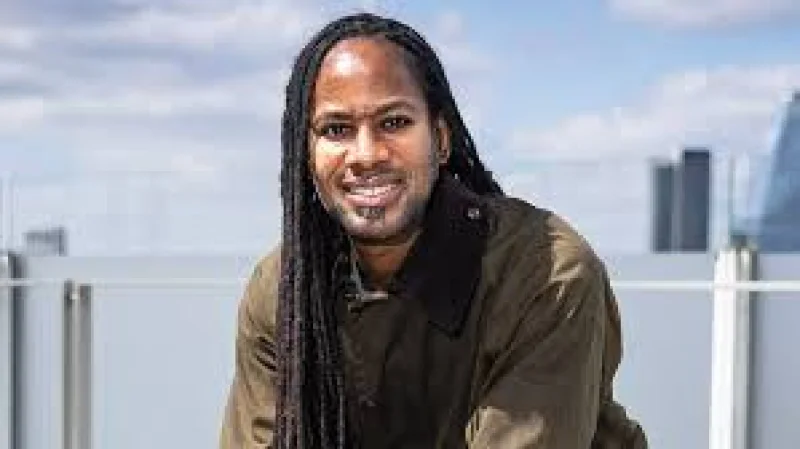
Jason Arday, the Cambridge professor once described as the youngest black professor in the university’s history, is facing plagiarism scrutiny after fresh analysis reportedly found more than 100 passages in his PhD that were similar to another thesis. The disclosure lands after he warned black academics earlier this year that the tools meant to police scholarship were being turned against them.
That warning was not abstract. In April, at the British Sociological Association’s 75th anniversary conference, Arday told colleagues that conservative activists were trawling through the work of black academics for inconsistencies, citation errors and similar passages, then waiting for a mistake before rightwing media outlets and conservative politicians joined the pile-on. He said the same tactics were being used to bring down some of the UK’s most high-profile black academics, and called the response to such scrutiny “weaponised,” “abhorrent,” “a disgrace” and, in his words, “the cancer that we need to eradicate from academia.”
The latest allegations, reported last week, center on a comparison between Arday’s doctorate and a thesis by Paula Zwozdiak-Myers, a student at Brunel University in London, published six years earlier. Nathan Cofnas said he put Arday’s PhD through plagiarism detection software and that the program found many passages were lifted with minimal editing, sometimes keeping copy-editing mistakes from the original source. The report does not say whether Cambridge has formally judged those similarities against its own plagiarism threshold, and that leaves the most important question unanswered: whether this is a dispute over poor citation or something the university would treat as misconduct.

The row has also pulled in Cofnas, who was already known at Cambridge for a free-speech fight after he wrote that in a meritocracy there would be “close to zero” black professors at Harvard. Simon Woolley called that view “abhorrent racism, masquerading as pseudo-intellect,” and Cambridge’s Emmanuel College later sacked Cofnas in 2024, though a disciplinary investigation found he was not guilty of discrimination or harassment and that his views did not breach the law or university regulations designed to uphold free speech. He now works at Ghent University in Belgium. For Arday, who had been held up as an academic superstar before the scrutiny, the damage is sharper because the allegations cut into the argument he made from the conference platform: that black academics are being singled out by the very systems supposed to protect them.
What comes next is the part that matters most. If Cambridge has opened a formal inquiry, it has not said so here. If it has not, the pressure on the university will only grow as the comparison between Arday’s thesis and Zwozdiak-Myers’ older work keeps the focus on how plagiarism is defined, who gets checked and who gets spared.
