


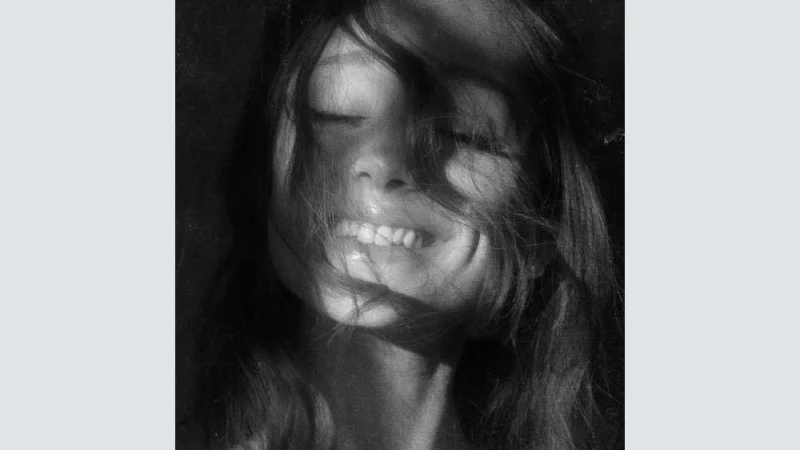
Ariana Grande has turned the page from Eternal Sunshine with Petal, a sister album built with the same two collaborators and shaped around a mood she said she does not usually use. The new project is darker, moodier and more blunt than its predecessor, and it pushes her into a more experimental lane without losing the polished pop structure that has defined much of her work.
That shift matters now because Grande has already told fans to expect both comfort and surprise. Earlier this week, she said listeners would feel familiarity and comfort in the album even as it moved into territory that was “very experimental and different” for her. She also said she wrote from “unfiltered rage,” adding that she is usually too shy to tap into that register and did not filter herself as much this time.

Petal was entirely written, performed and produced by Grande, Ilya Salmanzadeh and Max Martin, and the album’s lead single, “Hate That I Made You Love Me,” shows how that partnership works when it leans away from simple pop release valves. Variety described the song as beautiful but odd, with a crinkling synthesizer hook riding over a spare beat. Elsewhere on the album, “Kiss Me” and “Freak” are among the more familiar-sounding moments, which gives the record a few places to rest before it veers back into stranger terrain.
The friction is that Grande’s promise of comfort sits beside a project that keeps pulling away from comfort. Variety called Petal darker, moodier and more blunt than Eternal Sunshine, and said it moves into weirder musical territory than she has used before. “Like I Do” may be the clearest example: it starts with a lovely eight-note wordless figure from Grande before giving way to an ominous, hulking rhythm track, while the title song pairs a busy, complex melody with a thudding Portishead rhythm.
That makes Petal less a soft follow-up than a deliberate pivot. Grande’s own line about keeping “my heels tall, my ego small, but I’m still Grande” lands like a thesis statement for the record: familiar on the surface, but built to test how far she can push her sound without abandoning the voice that made her recognizable in the first place. The unanswered question is not whether she can sing this material. It is how much of this unfiltered version she will choose to keep in view after the first rush of reaction passes.
