


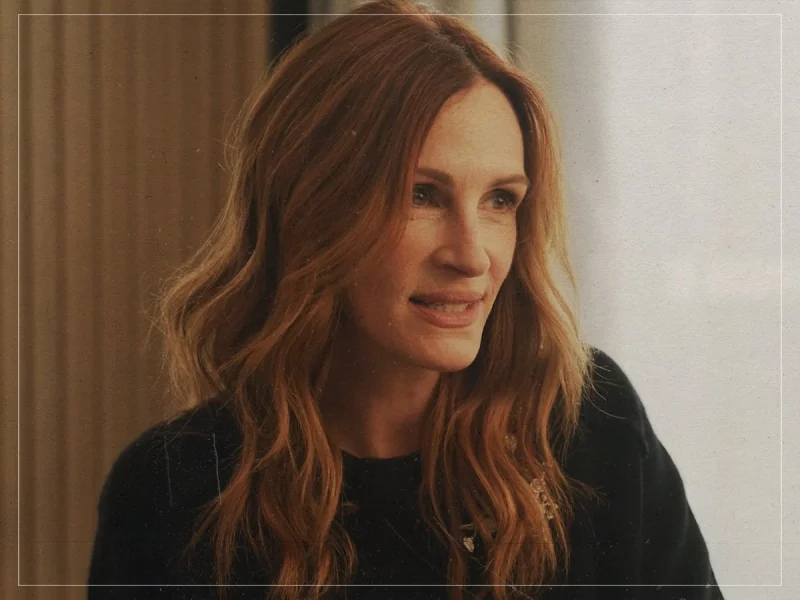
Julia Roberts said Prêt-à-Porter gave her back some lift at a point when she thought she might need a year away from films. She described the Robert Altman project as a reset after I Love Trouble left her so drained that, by her own account, she could feel herself running out of steam three-quarters of the way through a movie.
That is why the comment still lands today. Roberts was already one of the most watched actors in the first half of the 1990s, with the pull that made her films box-office draws even when the reviews were sour. I Love Trouble, her 1994 rom-com with Nick Nolte about two competing newspaper journalists who fall for each other, was panned by critics and made only a small profit because of the names attached.

By contrast, Prêt-à-Porter was something else for her. Roberts said she had had a resurgence of energy by the time she got to it, and that the film felt fun and intensely creative. Shot on location at Paris fashion week, it brought her into Altman’s ensemble world with Lauren Bacall and Sophia Loren, and she said that working with a supportive director and having to work only eight days made the whole job feel unusually light.
That lightness did not change the way the film was received. Prêt-à-Porter did not fare any better with critics on release than I Love Trouble, which leaves Roberts’s remarks with a sharper edge: what was exhausting for audiences and reviewers could still be exactly what she needed to keep going.
Roberts later went on to win the Academy Award for Best Actress for Erin Brockovich in 2000, but this earlier period shows a different side of the same career. Before the later triumphs and the box-office run that followed, she was already measuring her work in endurance as much as success, and Prêt-à-Porter seems to have arrived at the one moment when she needed it most.
