


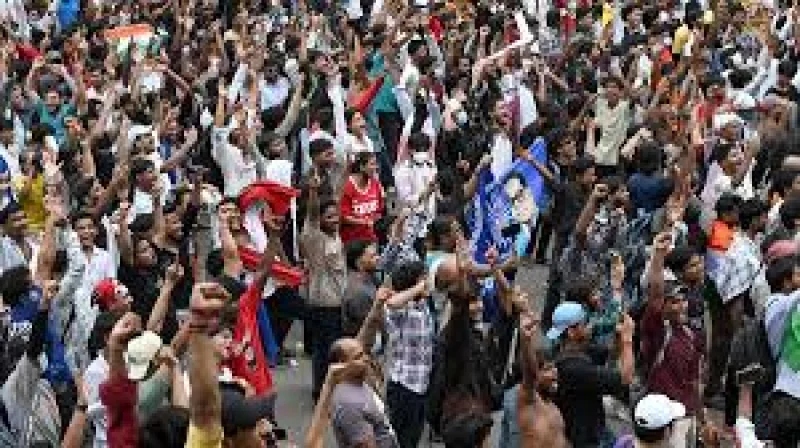
Online mobs have begun targeting women protesters after a Jantar Mantar protest, accusing them of abusing Modi and flooding them with threats to kill and rape them. The abuse has turned a political dispute into a stream of personal intimidation aimed at women who were part of the protest.
The threats matter because they came fast and they were specific. The women were not just being criticized online; they were being singled out with violence in the language of the mob, which is what makes doxxing and harassment so corrosive in the first place. In this case, the attack followed comments or actions interpreted as abuse of Modi, putting the protesters at the center of a public fury that was already looking for targets.

Modi has said, “I forgive misguided children who abused me, let’s show them the right path.” That line changes little for the women now facing abuse online. Forgiveness from the top did not stop the crowd below from escalating, and it did not prevent the threats from becoming brutally personal.
The protest at Jantar Mantar is the only named event tied to the episode, and the women involved were the direct targets after it. The broader pattern is familiar: once online outrage settles on women protesters, the mob rarely stops at criticism and moves quickly to threats meant to frighten them off public life.
What remains unanswered is basic but important: which women were singled out, and whether anyone stepped in to protect them or trace the accounts behind the threats. Until that is addressed, the story is not about one angry online crowd. It is about how quickly protest can be turned into punishment for women who are visible enough to be attacked.
