


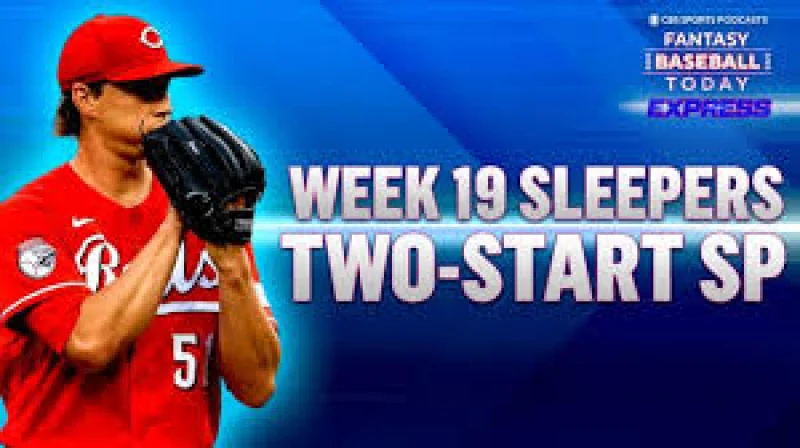
Kade Anderson is now No. 1 in the updated MLB top 70 prospects list, moving past Jesús Made in a reshuffle that puts the minors’ best pitching prospect at the top overall. Made drops to No. 2, but the change at the top does not read like a cut-and-dry judgment between two cleanly separated talents. It reads more like a snapshot of how deep the minors are right now, with the best players still in the system stacked so tightly that the first few spots could almost be read in any order.
The update lands now because it is a midpoint check-in on the best prospects still in the minors, not a preseason guess and not a finished-season verdict. It also includes players drafted a week and a half ago who have signed but have not yet debuted, which is how the list ends up with seven newcomers from that draft class, four already signed and three expected to sign shortly. That alone says something about how quickly the board is moving, and why a ranking that starts with No. 1 matters to readers trying to track where the sport’s next wave sits today.
Anderson has done the thing that makes a ranking flip feel inevitable after the fact: he keeps rolling through Double A, showing plus control and maybe plus command with a four-pitch mix that includes one of the minors’ best changeups. That pitch has produced a 50 percent whiff rate when batters have offered at it, and Anderson has carried a reverse platoon split on the season. In a sport where the safest prospect debates usually end up being about bats, he has become the rare pitcher whose case keeps getting stronger because the strike-throwing and the bat-missing keep arriving together.
Made still has a case of his own, and it is not a small one. The 19-year-old is hitting.276/.350/.445 in Double A with a strikeout rate under 15 percent, and that kind of line is why he remained near the top of the list even before the latest shuffle. The friction is that his future home may be changing faster than his standing at the plate. He is probably not sticking at shortstop, and he may end up as a plus defender at third base instead, which changes the way teams project his value even if the bat keeps humming. He is also a plus runner, which keeps the profile broad enough to survive a move across the dirt.
The rest of the list underscores how crowded the top really is. The top 13 prospects all feel like they belong in the top 10, which is another way of saying the line between elite and merely excellent has gotten thinner than usual. Aidan Miller and Justin Lamkin were on the previous list but are off this one because of injuries, with Miller coming back from back surgery and Lamkin dealing with a left shoulder strain. Braden Montgomery and Edwin Arroyo are also out of the running because they are in the majors, a reminder that eligibility can matter as much as performance in a ranking like this.
That is why Anderson’s rise carries more weight than a simple swap at No. 1. The list is built to identify the best talent still waiting in the minors, and the updated order says the strongest arm in the system now sits above the strongest bat. It also leaves one obvious question hanging: whether Anderson gets an opening somewhere on the Mariners’ big-league staff soon enough for the ranking to feel like a preview instead of just a label. For now, the prospect board says he has already arrived at the top of the class.
