


Fantasy television has exploded in the 21st century, but a recent list from TVLine argues that some of the genre's most inventive work came long before the latest blockbusters. The list, titled 10 Forgotten Fantasy Shows That Deserve More Fans, spotlights series that once slipped past a wider audience and now look ready for a second life.
That matters today because the genre is currently dominated by productions with blockbuster-scale budgets, including Game of Thrones and The Lord of the Rings: The Rings of Power, which makes the older, stranger titles easier to overlook. The list does not frame these shows as relics. It treats them as rediscoveries.
One of the clearest examples is The Adventures of Brisco County, Jr., the fantasy Western created by Jeffrey Boam and Carlton Cuse. Bruce Campbell starred as the title bounty hunter, who tracks down the bandits who killed his father while a mystical orb adds supernatural powers to the chase. Episodes folded in ghosts, time travel and other supernatural turns, which helped make the one-season wonder feel unlike anything else on TV.

Tin Man gets a different kind of attention. Sci Fi Channel's ambitious 2007 reimagining of The Wizard of Oz cast Zooey Deschanel as DG, a waitress swept into the O.Z., or the Outer Zone, where she must join unlikely allies to stop an age of darkness. The three-part miniseries is not a timid retelling. It includes violent stretches, including an interrogation with electric torture, and Richard Dreyfuss appears as the Mystic Man, who performs while under the influence of Vapors.
That is also where some viewers may split from the recommendation. Tin Man cannot be accused of copying other versions of the material too closely, which is exactly why some purists may resist it. The show keeps the bones of The Wizard of Oz, but pushes them through a darker, more abrasive lens that turns homage into argument.
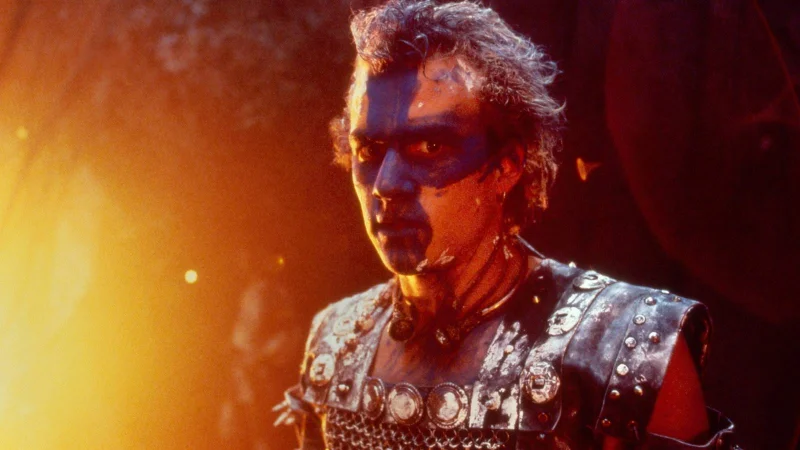
Roar is the harder sell because the basic facts only go so far. Fox aired it around the same time as Xena: Warrior Princess and Hercules: The Legendary Journeys, but it lasted only one season. The list leaves the reason for that short run hanging, and that silence may be the most honest clue in the package: some fantasy series had the ideas, the cast and the timing, but not the momentum to survive.
For viewers hunting fantasy television beyond the giants, that is the real point. These shows are not being presented as footnotes to the genre's modern hits. They are the kind of offbeat, old-school, and sometimes unruly series that made fantasy TV interesting in the first place, and the invitation now is simple enough: go back and see what held up.
