


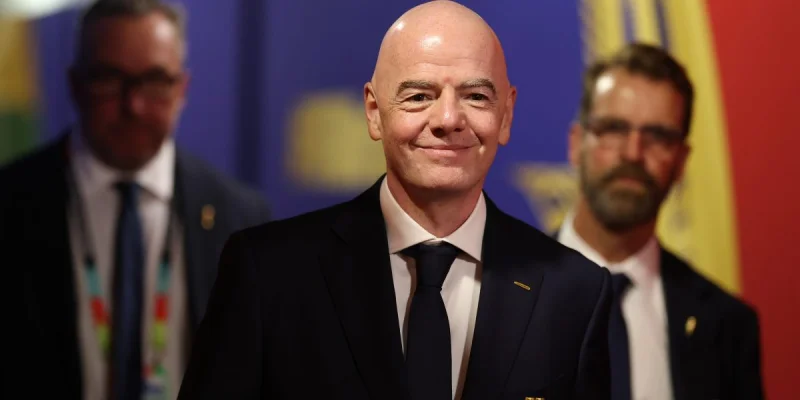
FIFA’s plan to sell a stake in its commercial rights triggered immediate backlash on Tuesday, with UEFA warning that the move could alter the balance of power in world football. The proposal would create the FIFA Forward Enterprise, a commercial subsidiary built around ticketing, sponsorship and broadcast rights, and it would bring Joshua Kushner’s Thrive Capital to the front of an investor group prepared to put up to $4.2 billion.
The valuation attached to FIFA’s commercial rights is $20 billion, a figure that underpins the pitch to private investors and the scale of the bet on future income. In private meetings, FIFA told investors it is projecting 7% annual revenue growth for 2027-2030, helped by 10% yearly growth in marketing even as ticketing revenue is expected to fall 4% a year. The plan is being discussed at a moment when FIFA is trying to show that outside capital can widen the sport’s financial base without changing who controls it.
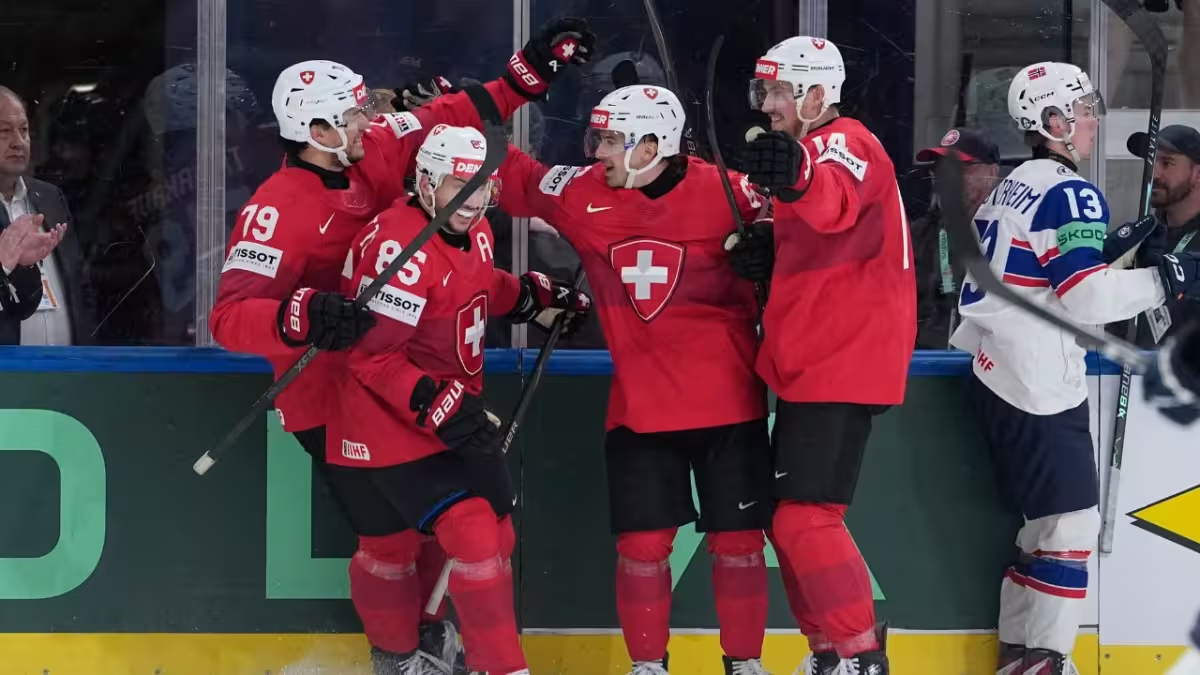
That pitch landed badly in Europe. The UEFA Europa League said, “None of us are the owners of football,” while a source directly involved in the deal said UEFA was reacting because it shifts football “from being European-centric to global-centric.” FIFA, the non-profit that oversees the World Cup, argues the structure would help spread money more widely, including through its member associations, which now receive $8 million each year and would get $20 million next year under the proposal.
That is the real dispute hidden inside the numbers. The deck projects annual investment per association rising to $22 million by 2031 and $24 million by 2035, a promise meant to show long-term gain. But the backlash is not just about cash. It is about control, and about whether bringing in private investors into FIFA Forward Enterprise would give them influence over the business side of the sport without a clear public answer on what rights they would receive. Apollo Sports Capital is also in talks to join the group, and one source close to the deal said Europe would be leaving $1.1 billion on the table by refusing to sign.
For now, FIFA has a valuation, a lead investor and a sharper-than-expected fight with UEFA. What it does not have is a settled deal, or a clear answer on whether the final terms will satisfy both the need for more money and the fear of giving away too much power.
