


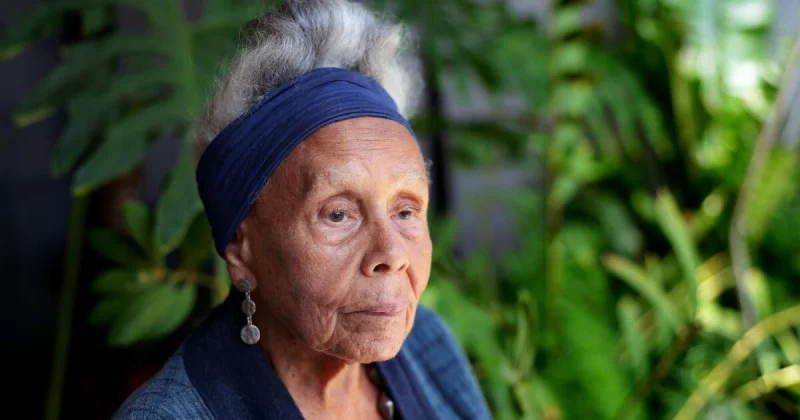
Betye Saar died in her sleep on Sunday at her home in Los Angeles, days before she would have turned 100 on July 30. Her death was confirmed to the Los Angeles Times by her publicist, Hannah Gottlieb-Graham.
Her name is being searched now because the loss is immediate and final: one of the defining artists of her generation is gone just short of a century. Saar specialized in assemblage art, building sculpture from found objects, and used that form to confront stereotypes about Black women with a force that made her work impossible to ignore.

The piece that made that confrontation unmistakable came in 1972, when Saar created The Liberation of Aunt Jemima. It featured a mammy figurine armed with a rifle and a grenade, turning a racist image into an image of resistance. Three years later, she had a solo exhibition at the Whitney Museum of American Art in New York, and the work’s reach only widened from there.
That image carried a sharp contradiction that was central to Saar’s art: she used a painful stereotype as the thing she was attacking, then recast it as power. In 2015, Saar said she wanted to put a rifle and a grenade under Aunt Jemima’s skirts because she wanted people to know Black people would not be enslaved by that image. Angela Davis later credited The Liberation of Aunt Jemima with spurring the Black women’s movement.
Julie Roberts called Saar one of the greatest artists of our time and said her singular vision transformed the course of contemporary art. What remains unanswered now is the simplest question left by her death: how the institutions and artists shaped by Saar’s work will carry that legacy forward after the woman who gave it form is no longer here to expand it.
