


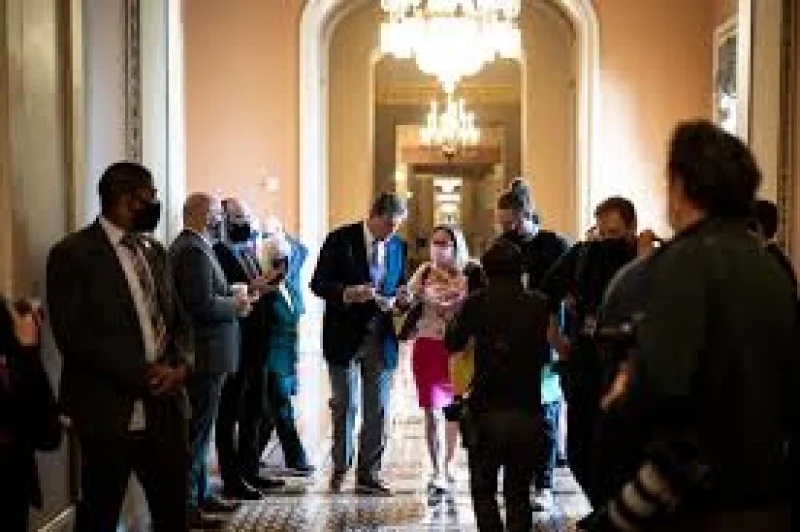
John Fetterman said Monday that he was “horribly wrong” to once back efforts to eliminate the Senate filibuster, a sharp reversal from the position he took during his 2022 campaign. He now says the rule is not a nuisance to be stripped away, but a safeguard that forces lawmakers to look for common ground.
The timing matters because the filibuster remains one of the Senate’s most consequential barriers. Ending it to force a vote usually takes at least 60 votes in the 100-member chamber, and that threshold can determine whether major legislation moves on a simple majority or stalls unless it can draw broader support.
Fetterman said he had fully supported attempts by Senate Democrats to end the rule so they could push through President Joe Biden’s agenda. At the time, he said he believed Republicans then in the minority would never find common ground with Democrats. Now he says that view was clouded by the lure of short-term wins and by a failure to see the lasting effect of a Senate without the filibuster.

His reversal lands in a Senate that is closely divided and narrowly controlled by Republicans, which gives the rule added weight in any fight over future legislation. Fetterman framed the filibuster as a check that protects minority voices and everyday people, and said a chamber without it would simply ignore them.
That is the part that makes the shift harder to dismiss. He once argued for scrapping the rule to help Democrats move Biden’s agenda, but now says it is a critical line of defense that prevents President Donald Trump from having a government that can set its own laws, deregulation and procedures without the need to bargain. In his view, if Democrats win the Senate, they still will not have the votes to clear the 60-vote hurdle on their own, and that reality will force them back toward compromise.
He put the point bluntly: Democrats, he said, will have to abandon their worst impulses and work together to solve the problems Americans face. The unresolved question is whether that public change of mind becomes more than a personal correction, or whether it stands as a warning that the next battle over the filibuster may come from whichever party believes it is close enough to power to try again.
