


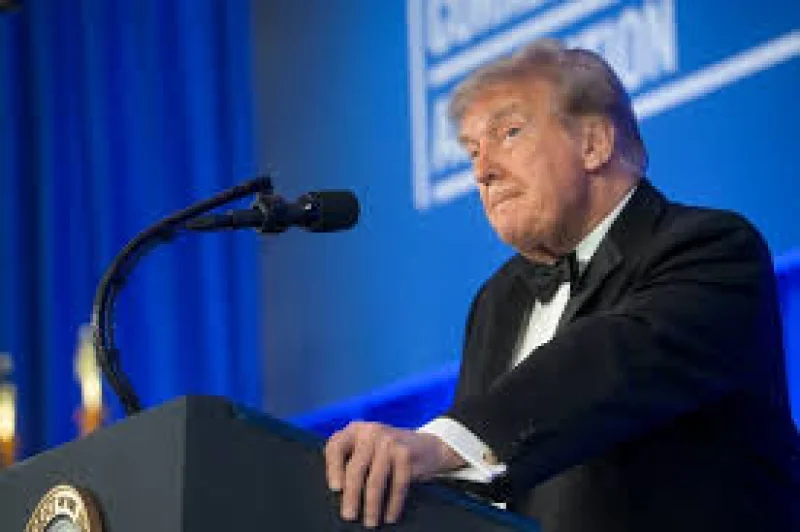
Donald Trump used the rescheduled 2026 White House Correspondents' Association Dinner on Friday, July 24, to turn a gala that had been delayed by violence into a blunt, hour-long attack on the press. He singled out Kaitlan Collins, called the award she received “fake,” and dragged Robert F. Kennedy Jr. into a joke that landed as one of the night’s most talked-about lines.
The dinner had been moved from April after an assassination attempt, which made Trump’s appearance at the table more than another Washington roast. It put the president in front of the press corps on a night already shadowed by the reason it had been postponed, and every line was measured against that backdrop.
Scott Jennings, who later reacted to the speech, said Trump did not yield to political violence and praised the opening and ending of the address. He said Trump closed by telling the room, “I have great respect for your profession,” and called that “probably the best line of the speech, given the nature of the event tonight.”

But Jennings drew a line between that and the middle. He said that section was always going to be controversial because some of the jokes landed and some did not, and he said the ones that veered into “very, sort of ornery insults” were not going to land for many audiences. His favorite line, he said, was the RFK joke.
That joke centered on the dinner itself. Trump told guests, “I hope that everyone finally got to enjoy their entire very delicious beef tenderloin. Very special beef,” then added, “And I want you all to know that Bobby Kennedy is right here. Personally ran over the cow in his car, and he cut it up, and he brought it here for you to eat tonight.” In the same speech, he compared Kaitlan Collins to Dylan Mulvaney, a comparison that sharpened the criticism around his remarks.
The contrast is the story: Trump opened and closed by signaling respect, but spent the middle of the night taking swings that made the room and the reaction afterward feel split. What remains unresolved is not whether the dinner drew controversy — it plainly did — but how much of the speech was meant as punch line and how much was meant as provocation.
