


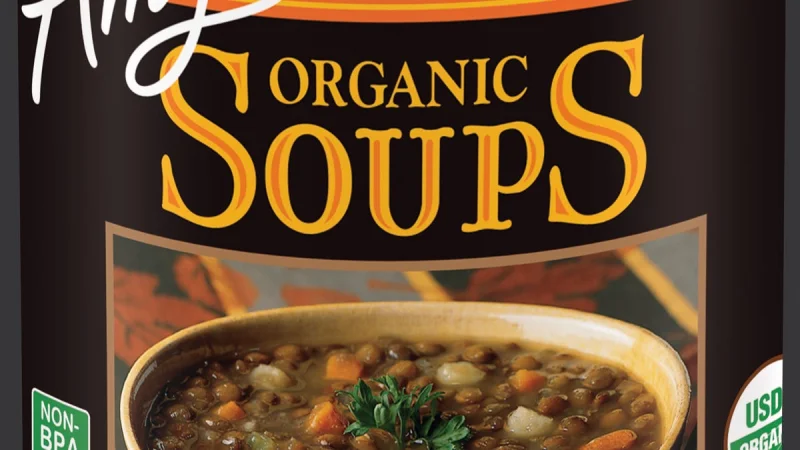
Amy’s Kitchen has recalled roughly 184,000 cans of Amy’s Organic Lentil Soup of the Light in Sodium after a manufacturing problem with the pull tabs that seal the cans. The voluntary recall covers only that soup variety, with cans marked lot number 60D0924 and a best by date of April 2027.
The recall matters now because the soup was sold through Target, Walmart, Kroger, Sprouts and Hy-Vee, putting a shelf-stable pantry item in the hands of shoppers across 27 states. For anyone searching Amy's Soup Can Recall today, the number is not small: this is a broad pull from stores, not a single-store issue.
The FDA categorized the action as Class II, a designation for products that may cause temporary or medically reversible health consequences, or where the chance of serious harm is remote. That places it below a Class I recall, which is reserved for products believed likely to cause serious adverse health consequences or death.

The defect itself is narrow but important. The problem is not with the soup recipe, but with the can pull tabs that are meant to keep the product sealed until it is opened. When that part of the package is compromised, the can can no longer be trusted in the way shoppers expect from a shelf-stable food.
What stands out is what has not been reported. The recall notice does not tie the Amy’s Kitchen soup to any injuries or illnesses, and that fits the lower-risk Class II label. Even so, the scale of the recall and the number of states involved make it a problem that reaches far beyond one brand name on a pantry shelf.
Amy’s Kitchen’s product appears alongside a separate soup recall this week involving Tasty Kitchen Chicken Noodle Condensed Soup imported from BCI Foods, a reminder that food-safety notices can land in clusters even when they involve different products and different causes. For consumers who bought the recalled Amy’s soup, the key details are the lot number 60D0924 and the April 2027 best by date; those cans are the ones pulled from the market.
What remains unresolved is the state list, which has not been spelled out here despite the recall spanning 27 states. For now, the practical answer is simple: if a can matches the lot and date, it belongs in the recall, and the scale of the action suggests shoppers should check their shelves now rather than later.
