More than 1.5 million dozen shell eggs sold in six states were voluntarily recalled on Wednesday after federal regulators said they may have been exposed to salmonella contamination. The eggs came from Midwest Poultry Services and were pulled from retail and food service channels after routine environmental testing flagged a possible issue.
The recall covers 1,589,577 dozen cartons of white shell eggs and brown cage-free shell eggs sold under Kroger, Brookshire's, Country Morning, Simple Truth and Sunups brands, along with various bulk Grade A and Grade AA eggs. They were distributed in Texas, Oklahoma, Arkansas, Louisiana, New Mexico and Mississippi, putting a wide stretch of the market on notice at once.
That is why the recall is drawing attention now: it is large, it reaches six states, and it lands while consumers are still being told to watch cartons on store shelves and in kitchens. The eggs were packed and shipped between June 6 and July 3, with sell-by or best-by dates ranging from July 20 through Aug. 17, which gives shoppers a simple way to narrow the search if they bought eggs during that window.

The catch is that the recall was triggered by a possible contamination problem, not a confirmed outbreak. No illnesses had been reported in connection with the eggs as of Wednesday, even as the products were taken out of circulation. That gap matters because it means the recall is acting as a precaution before the public-health picture changes.
On Thursday, Madison Alworth discussed the Trump administration's plan to lower egg prices, adding another layer to a market already under pressure. Midwest Poultry Services said it began diverting eggs to a breaking plant to be pasteurized and launched an internal investigation and testing process to look for the source of Salmonella Enteritidis. The company said its priority was producing safe, quality food, and the recall itself was part of that effort.
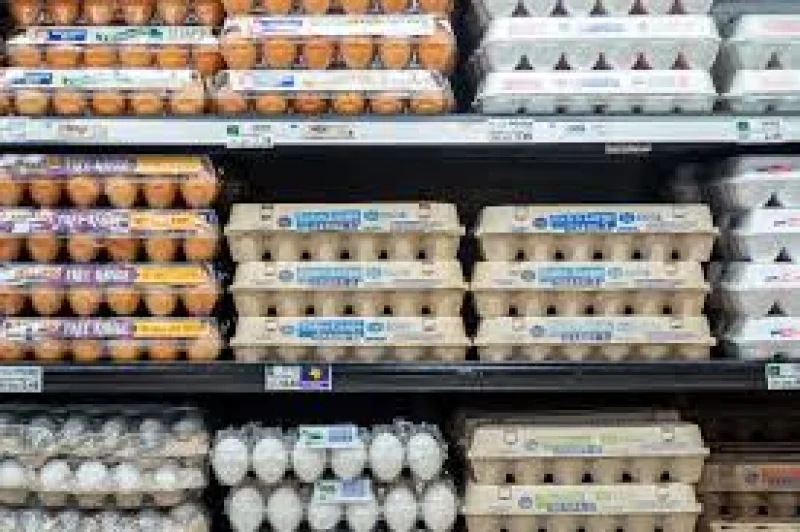
Consumers checking their cartons are being told to look for the codes printed on the side of the carton, where the recalled products should be identified. The important detail is not the brand name alone but whether the carton matches the date range and code information tied to this recall. That is the next step for anyone who bought eggs in the affected states, and it is the only way to know whether a carton belongs in the refrigerator or in the trash.