


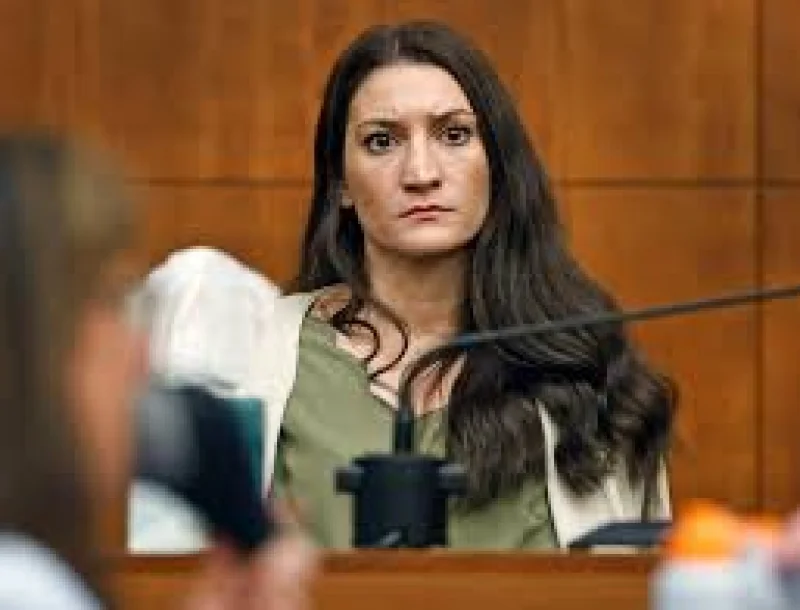
A jury is now set in the Lindsay Clancy murder trial, clearing the way for opening statements and testimony on Monday in Plymouth Superior Court. The panel includes 12 women, six men and six alternates in a case that is expected to stretch for six weeks.
That timetable is why the case is drawing attention now. Lindsay Clancy, 35, is accused of killing her three children, and the courtroom fight over what the jury should see and hear is moving from selection into evidence. Patrick Clancy, 38, who has remarried, is expected to be the first witness called Monday, putting him at the center of a trial that is about to shift from procedure to the facts the jury will weigh.
Kevin Reddington said he supported Patrick Clancy’s request to block the public release of some evidence, including autopsy photos of the children and a recording of the 911 call he made on the night of the slayings in January 2023. Jennifer Sprague said prosecutors plan to play that recording after Patrick Clancy found his injured wife outside the home and then discovered the children’s bodies in the basement. The dispute matters because once the jury hears the case, the public fight over what can be shown becomes part of the larger battle over how the death of Cora, Dawson and Callan is presented in court.

Lindsay Clancy admits she killed 5-year-old Cora, 3-year-old Dawson and 8-month-old Callan, but she has pleaded not guilty to three first-degree murder charges and says she was in the throes of severe postpartum mental illness. Sprague alleges that Clancy premeditated the killings, while Reddington argued that prosecutors want to “put a circus in front of this jury” and said it is “reprehensible” the way the government is trying the case. Sprague fired back that the Commonwealth did not choose the number of victims, the defendant did, a reminder that the trial is not only about what happened in the basement of the Duxbury home on Jan. 24, 2023, but about how much of it the jury will be allowed to see.
Monday’s opening statements will answer one question immediately: whether the state presents the case as a planned killing or as the product of a shattered mind. The more consequential question may be what the judge allows the public and the jury to hear from the most graphic evidence, because that ruling will shape the trial before the first witness finishes speaking.
