


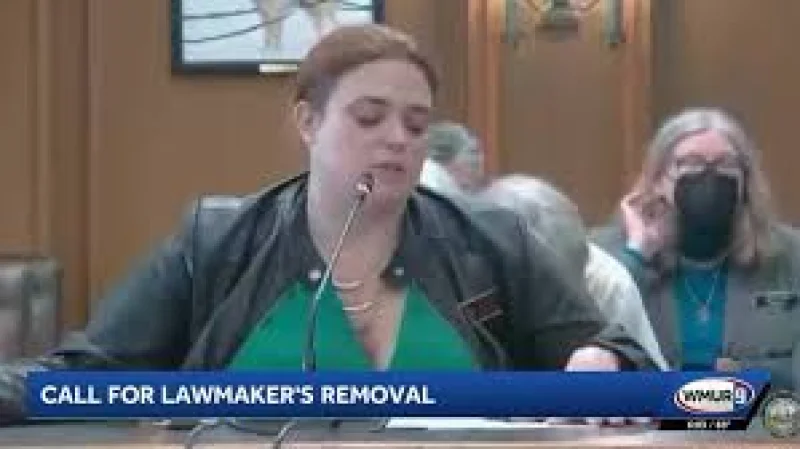
Ellen Read is fighting charges from two Rockingham County traffic stops, including one in which a deputy accused her of driving 107 mph, and the dispute is now turning on a simple but damaging fact: the sheriff's office involved had no body camera footage and no dashboard camera footage.
That absence matters because Read says both stops violated a provision of the New Hampshire Constitution that she argues protects lawmakers while they are traveling to and from legislative duties. The case has become a test of whether that protection can defeat traffic-stop charges when there is no video record to settle what happened.
Rockingham County Sheriff's Office Major Christopher Bashaw said the agency does not use body-worn cameras or dashboard cameras because it lacks funding to buy them. He said the office would like to equip deputies with the technology, even though New Hampshire lawmakers created a Body-Worn and Dashboard Camera Fund in 2021 to help local agencies cover purchases, maintenance, replacement and data storage costs.

State law allows agencies to apply for matching grants from that fund, and all local law enforcement agencies are eligible. It is unclear whether the Rockingham County Sheriff's Office ever applied. That leaves a gap at the center of Read's fight: she is asking a court to treat the stop as one that constitutional immunity should shield, while the agency says it has no recording equipment that could corroborate or challenge the deputy's account.
Read told News Digital she has consistently supported legislation governing body-worn cameras and has backed funding to help law enforcement agencies buy them. She said she would be willing to work with the Rockingham County Sheriff's Office to help secure funding for body cameras in the next state budget, even though she has questioned other law enforcement spending, including military-grade equipment and expensive vehicles.
The bigger consequence is that a fast-moving traffic stop, a 107 mph accusation and a constitutional defense are now colliding with a basic question of police practice: whether the agency chose not to use cameras, or simply never found a way to pay for them. For Read, that could shape whether the charges stand; for the sheriff's office, it leaves the case to be decided without the one tool that often settles disputes before they reach a courtroom.
