


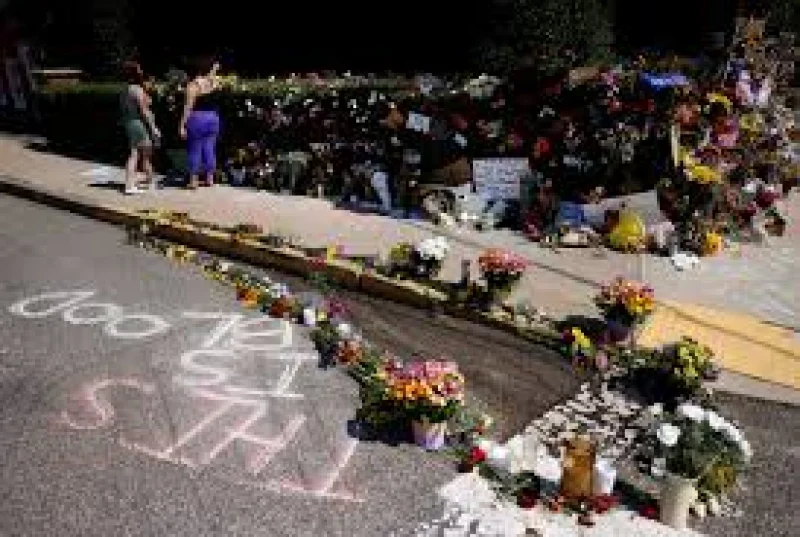
Johan Sebastián Durán Guerrero was shot and killed by an ICE agent in Biddeford, Maine, on Monday, and the killing immediately turned into another test of how far ICE can go before anyone stops it. Neighbors and hundreds more Maine residents reacted with outrage, saying the moment demanded more than another round of statements.
That response landed because the shooting was not being treated as an isolated event. Video footage of the scene and witness accounts were cited in connection with the killing, and the outrage spread in a place where people were already asking what kind of force shows up masked, armed and, critics say, poorly trained. The fatal shooting also revived a broader argument that ICE agents prowl cities and towns looking for criminals but round up just about anyone they deem suspicious, then do it in operations that resist body cameras.
The details that made the moment so hard to shake were simple. One account included the shouted words, “I tried to stop,” followed by “No!” as the scene unfolded. Those fragments do not answer every question about what happened inside the ICE operation, but they do explain why the killing settled so quickly into a public argument about accountability rather than procedure. Kevin Cullen had already written about the similarities between ICE and the gangsters of old, and the comparison to masked men killing people in front of spouses and children extralegally and extrajudicially now sits uncomfortably close to the facts under debate.

That is where the friction hardens. The same force criticized for violence is backed by $70 billion in new Congress-approved funding, money that would keep its machinery running even as calls grow for a cessation of what was described as thuggery. The contradiction is plain: demands for restraint are meeting a larger budget for the agency under fire, not a smaller one. Immigrant rights organizations and community ICE awareness networks, meanwhile, are being cast as the people who may have to help families buy and install their own recording systems, even down to stickers that read, “This vehicle is protected by a secure video recording service.”
The next question is not whether the outrage will fade; it is whether the killing in Biddeford will change anything about how ICE operates when it comes back to the street. The article points to a broader series of shootings and killings and to ICE resistance to body cameras as the central unresolved problem. Unless that changes, Johan Sebastián Durán Guerrero’s death will stand as another case in which a person was killed first and the argument about oversight came later.
