


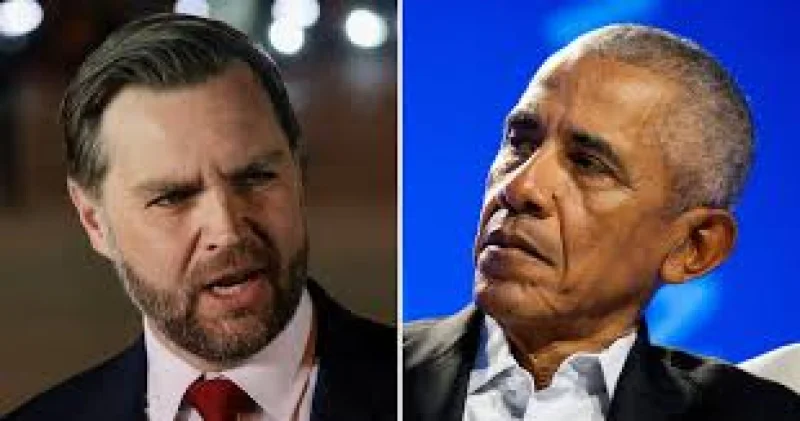
Barack Obama is showing up in new Michigan ads paid for by outside groups, and the spots are using his old praise of Haley Stevens to reach voters while he has not endorsed her in the Senate primary against Abdul El-Sayed.
The ads center on an Obama line from an October 2018 rally in Detroit: “Haley Stevens…She was a critical part of my team that helped the American auto industry come roaring back.” They are now running across Michigan’s biggest media markets, putting the former president’s image in front of voters in one of the most competitive Senate primaries in the country at the very moment the contest is turning sharper. For Stevens, the timing matters because she has become one of the race’s most visible figures and because her name is already familiar to voters who have seen the same Obama clip before. She used it in a 2025 video announcing her Senate bid and in a 2022 House primary ad, and she told voters during a July 7 debate in Grand Rapids, “Look, I was the person from Michigan on the team working on President Obama’s auto rescue.”
The campaign’s response has been to call the ads an accurate reflection of how Obama viewed her work. Spokesperson Joetta Appiah said, “It is for viewers to decide if that praise of her work is reason enough to vote for her,” and added that neither Stevens nor the ads have claimed Obama is backing her current US Senate bid. That distinction is doing a lot of work. Outside groups are barred from coordinating with candidates, so Stevens’ campaign says it is not involved in making or distributing the spots, even as they plainly benefit from Obama’s voice. Former Obama adviser David Axelrod sharpened that point in a June social media post, saying that if someone saw the ad, “you’d THINK he had!” endorsed her.

El-Sayed has tried to turn that ambiguity into a political charge. This week he called the ads a “fake Obama endorsement,” arguing that the use of the clip invites voters to assume more than Obama has actually said. Denzel McCampbell of Detroit City Council went further in a recent social media post, calling the spots “deceptive” and writing, “There are monied and corporate interests that are going all in trying to pit Black folks against our best interests.”
The broader pattern is familiar, which is why the ads work and why they are controversial. Politicians’ old praise is often recycled in campaign advertising even when the original speaker has not endorsed the candidate in the new race. Obama’s comments have been used before in a 2020 Bernie Sanders ad and more recently in Colorado’s Democratic gubernatorial primary. He has not historically weighed in on contested state-level primaries, and this year his only public US Senate endorsement has been for Texas Democrat James Talarico. That history makes the current Michigan ads unusual, even if they are built from a clip that was already public and previously embraced by Stevens herself.
What remains unanswered is less about the clip than about the hands behind it. The ads are funded by outside groups, but those groups have not been identified here, and the campaign fight now rests on a simpler question: whether voters will hear Obama’s words as a reminder of Stevens’ record or as a message that edges too close to an endorsement he has not made.
