


The National Oceanic and Atmospheric Administration’s Climate Prediction Center said Thursday that El Niño has a 97% chance of being strong or very strong through a three-month period ending this December. The same forecast puts the odds of a very strong event at 81%.
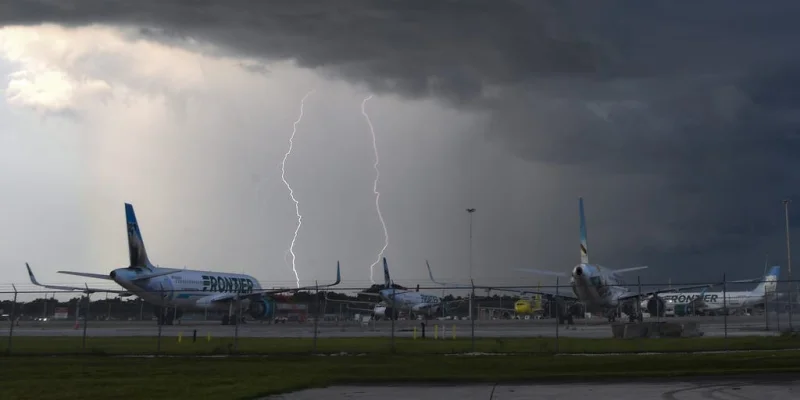
That matters now because people in Southern California are already watching what the winter could bring. Strong El Niños tilt the odds toward above-average rainfall there, and Ariel Cohen said the pattern also tends to bring more stormy weather than usual to the southern United States, including Southern California, Texas and Florida.
El Niño is a recurring climate pattern marked by warmer water in the central and eastern tropical Pacific Ocean and changing atmospheric conditions. It typically lasts nine to 12 months and emerges every two to seven years, and weather forecasters are treating this one as a potentially powerful version of the pattern as winter approaches.

The mechanism starts in the Pacific Ocean. When the east-to-west trade winds along the equator weaken or reverse, a downwelling oceanic Kelvin wave forms and pushes warm water from the western Pacific toward the central and eastern Pacific. Jon Gottschalck described it simply as a wave in the ocean that carries warm water across the basin, and that shift can help lock in the warmer conditions that define El Niño.
Still, the forecast is not a promise. Weather prediction is always difficult, and even solid outlooks can fall short of the buildup around them. The pattern is already being intensified by human-caused global warming, and officials say the coming months could also bring more heat waves on land and at sea.
For Southern California, the concern is not just rain but what follows it. Strong El Niños significantly raise the odds of wetter winter weather, which can mean flash floods and landslides if storms train over already saturated ground. The open question is how long this one will stay in the strong or very strong range after December, but for now the forecast points to a winter that is more likely to turn active than quiet.
