


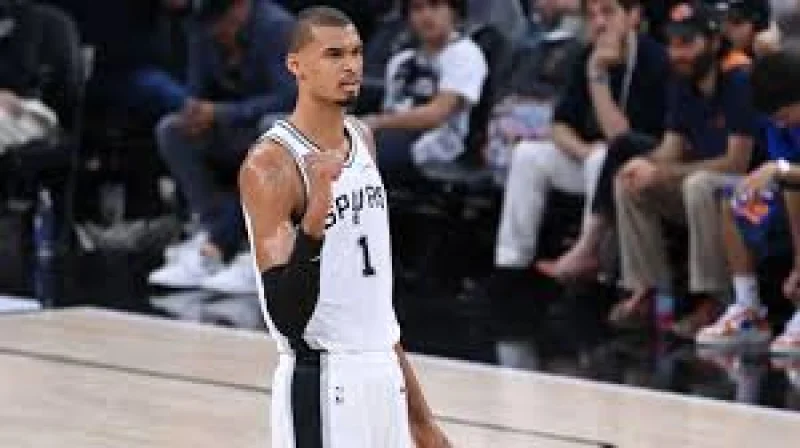
NBA players association executive director David Kelly used his first official media session Friday in Las Vegas to go after the league's second salary cap apron, saying it is pushing teams to break up contenders and making it harder for players to stay where they want to play. Kelly said the system hurts players, teams and fans, and called for changes that would let clubs keep more of their core together.
The comments landed now because Kelly was speaking publicly for the first time since taking over the NBPA in February, and because the apron has already reshaped a recent title team. The Celtics moved Jrue Holiday and Kristaps Porzingis and let Al Horford and Luke Kornet leave in the summer of 2025 to get out from under the second apron, a reminder that the rule is not abstract. It limits teams from making certain trades, signing free agents and aggregating salaries in deals, and it has become one of the sharpest pressure points in the NBA’s current collective bargaining framework.
Kelly did not deny the money at the top end of the league has never been bigger. He said players are earning unprecedented wealth under the current system, even as the apron makes it harder for franchises to pay a star and keep the rest of the roster intact. Brad Stevens has already put numbers on that squeeze, saying a possible Jaylen Brown extension would have taken up 35 percent of the Celtics' salary cap and that Brown and Jayson Tatum extensions together would consume 70 percent of the payroll.
That is where the argument gets messy. Kelly wants the system to protect choice and fan interest, but he also wants it to reward teams that draft well. His proposed fix would let drafted players count less against the cap as their careers progress, a structure that would give clubs more room to retain their own players without shutting the door on movement. He said the idea could work alongside a version of a Larry Bird exception around the second apron, which would help teams keep winning groups together.
The NBPA is not waiting for the next labor showdown to start that fight. Kelly said the union will try to address the apron before a possible opt-out of the current collective bargaining agreement in 2029, but he also left open the possibility of midterm negotiations if there is a chance to get tweaks sooner. If that does not happen, the same forces that split up the Celtics could keep reshaping contenders, one expensive decision at a time.
